Andreas Müller-Pohle
Edition Flusser, Berlin, Germany
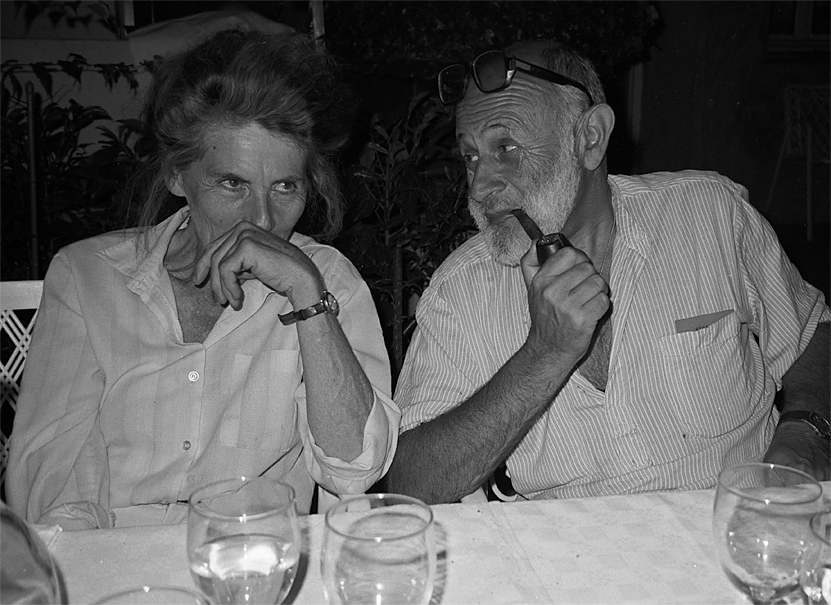
Born in Brunswick, Germany, in 1951. Studied economics and communication at the Universities of Hannover and Göttingen (1973–79). Artist and publisher. Since 1980 editor of the journal “European Photography” (Göttingen and Berlin). 1985–94 consultant for the “European Photography Award,” Frankfurt and Bad Homburg. 1986 publication of Vilém Flusser’s “Die Schrift – Hat Schreiben Zukunft?” as an electronic book. 1996 initiation of “Edition Flusser.” 1997–2004 visiting professor at the Higher Institute for Fine Arts, Antwerp (Belgium). Reind M. De Vries Foundation European Photography Prize, 2001. Foundation of Eye-Mind, 2005. Lives in Berlin.
Articles of Andreas Müller-Pohle
Robots. A Speculative Compendium. With an essay “Robotic Speculations” and an afterword by the artist
Robots. A Speculative Compendium
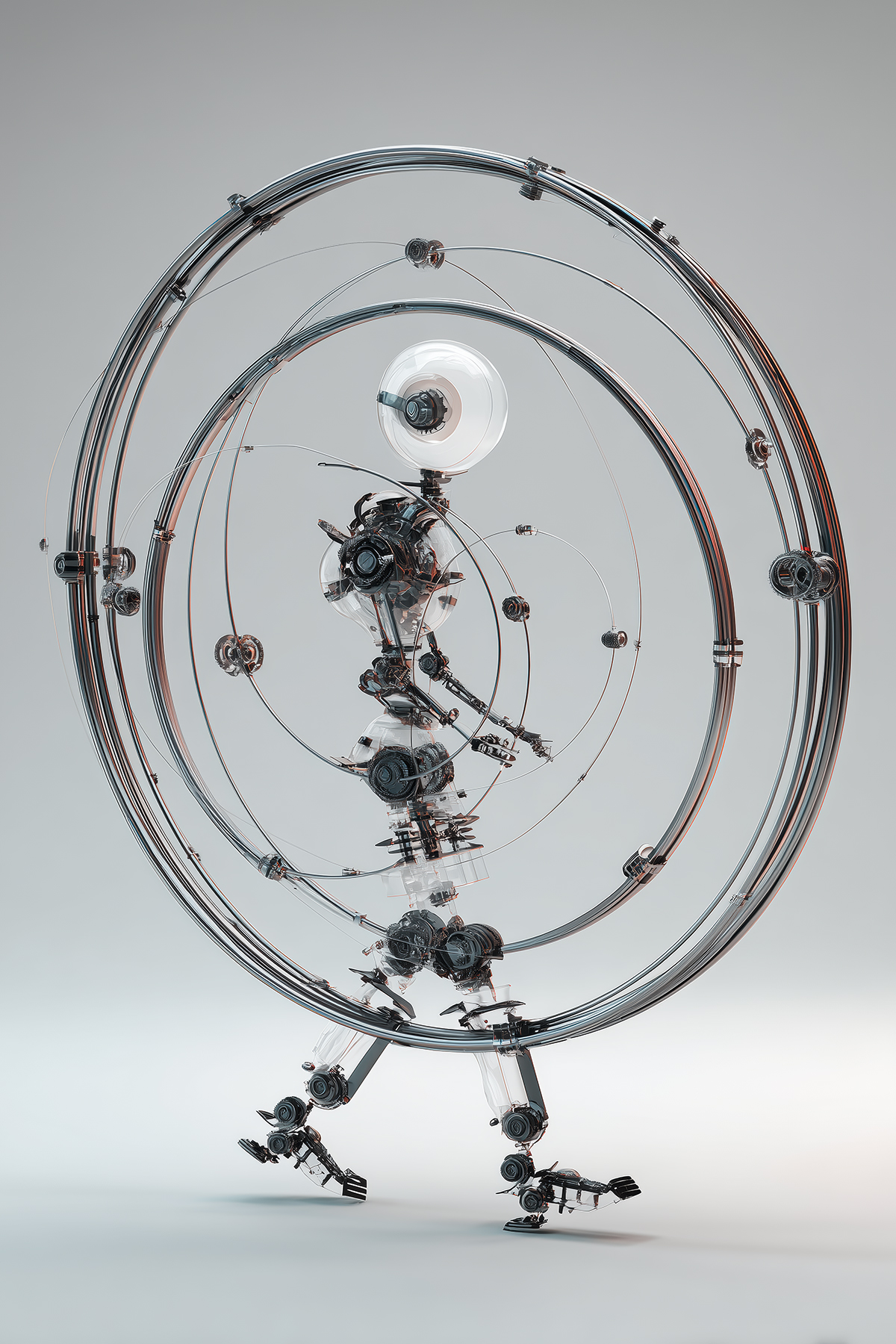
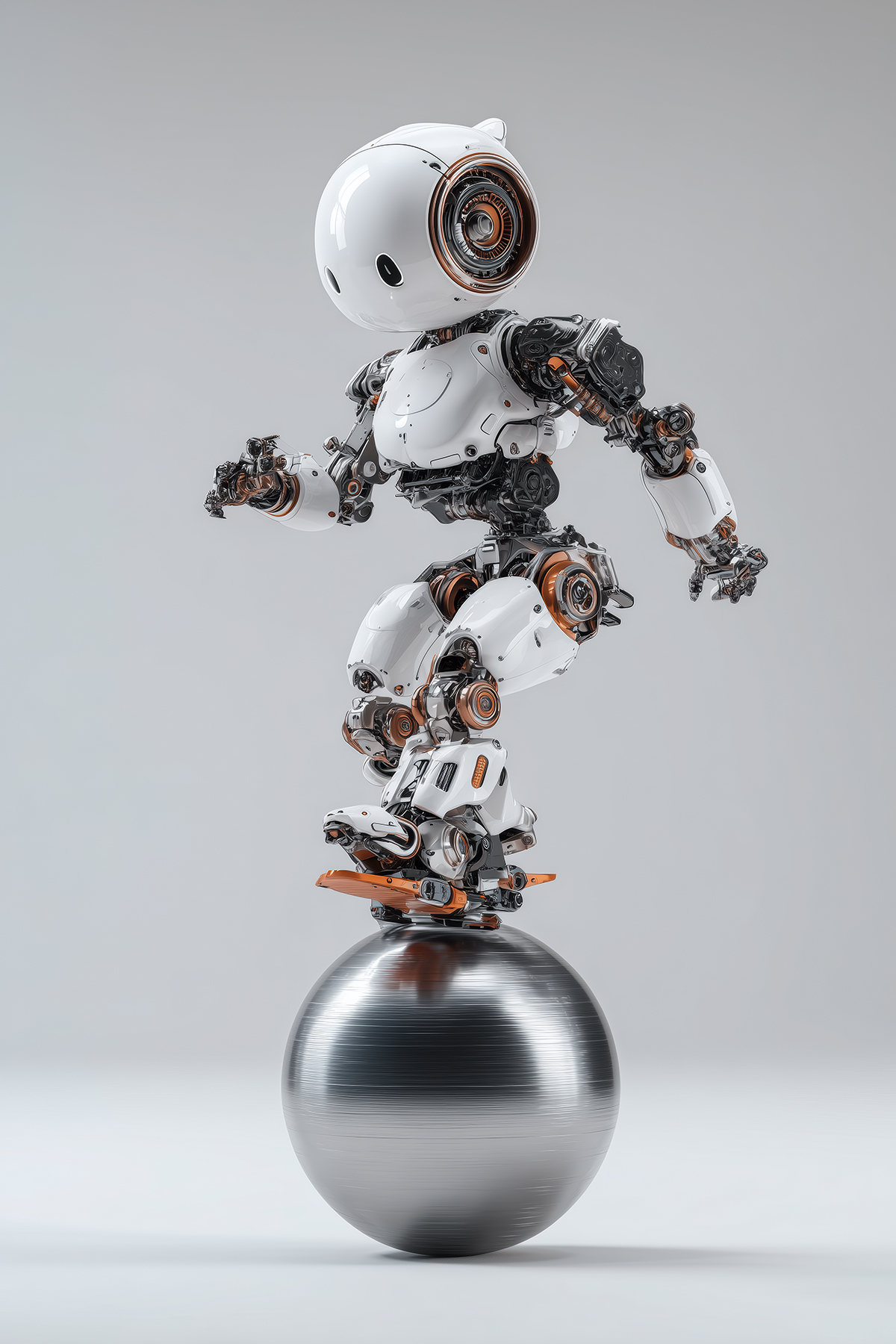
Andreas Müller-Pohle’s Robots. A Speculative Compendium, of which Flusser Studies publishes an extract and three separate pictures, contains an introduction, an afterword and altogether fifty-five images each preceded by the name of a bot and a short explanatory text as to its functions and abilities. The sequence is alphabetical leading from the Anatombot to the Xraybot. Most of the bots look human or human-like, insofar as they have arms, legs and a head. Beside the Gastrobot, a waiter, there are also the paired system of the Couplebot, the cello-playing Stringbot, as well as a dandy, (Hubbybot) and a nurse (Medbot). Some have a recognizable human face like the Musebot, an embodied contemplative figure, and the Mimicbot, a humanoid robot that replicates postures and gestures. The Phantombot is a “semi-transparent humanoid robot capable of penetrating solid barriers through phase shifting.” Some bots reminded me of science fiction movies like the cyborg-warriors Warbot and Riotbot from Robocop, the Neptunebot from Alien or the Rocketbot from Ironman. Some bots are based on single parts of the human body like the Graspbot an “orbital manipulator” that looks like a gigantic flying hand (from the review published at the end of this issue of Flusser Studies).

Vilém Flusser in Europa
This unpublished lecture reconstructs Vilém Flusser’s European impact from 1972 to 1998. It outlines the dual engagement framed by his distinction between “people of the word” and “people of the image,” beginning with the controversial, later enthusiastic embrace of his media philosophy in the German-speaking world to its scholarly analysis and the institutional establishment of his archive. The text examines Flusser’s publishing presence, his critical engagement with photographic work, and the development of his thinking towards philosophy as fiction.
Schwarzweiß als Code / Black-and-White as a Code