Vilém Flusser. The Bald, Bearded and Bespectacled Pipe Smoking Philosopher
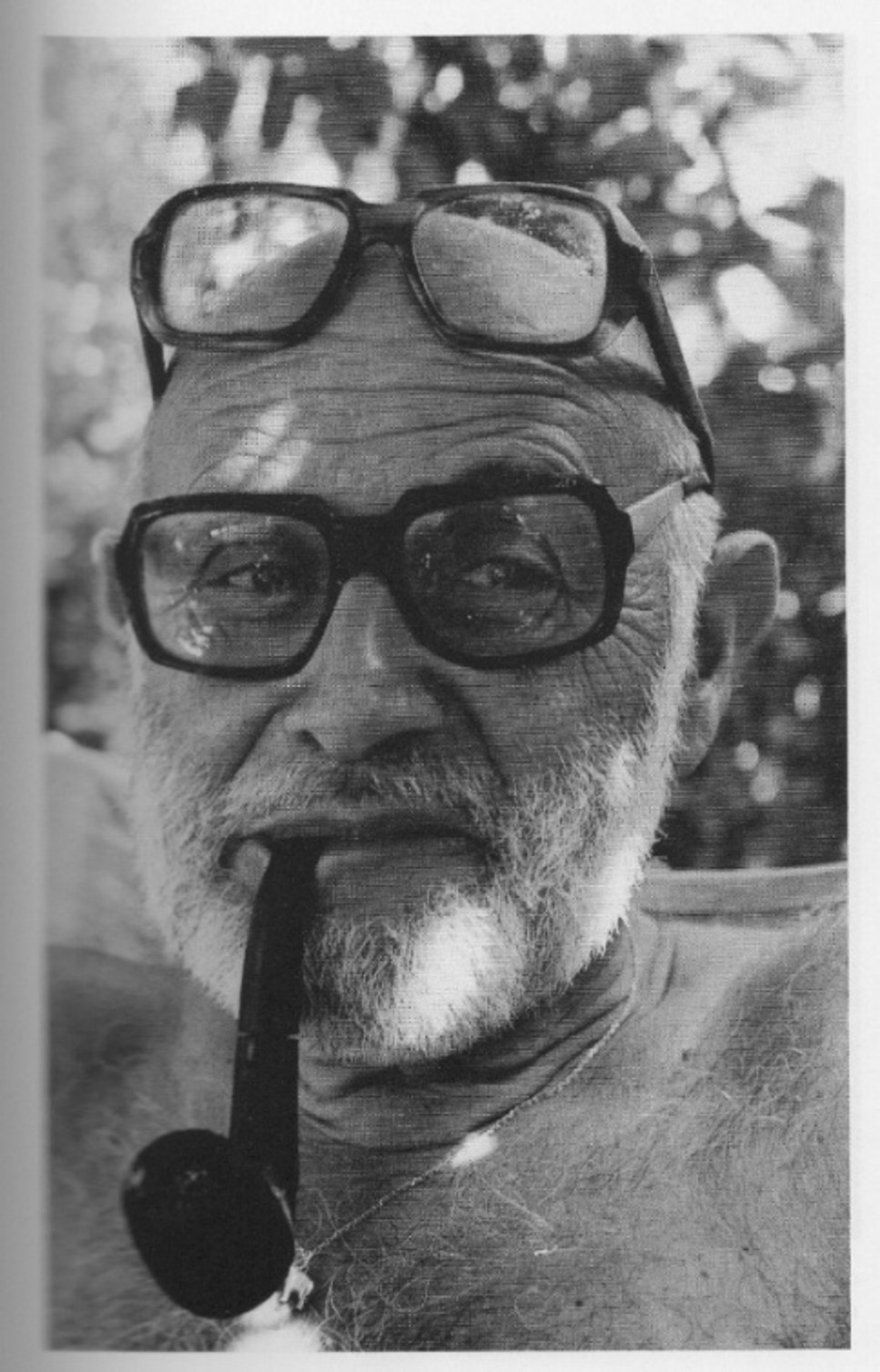
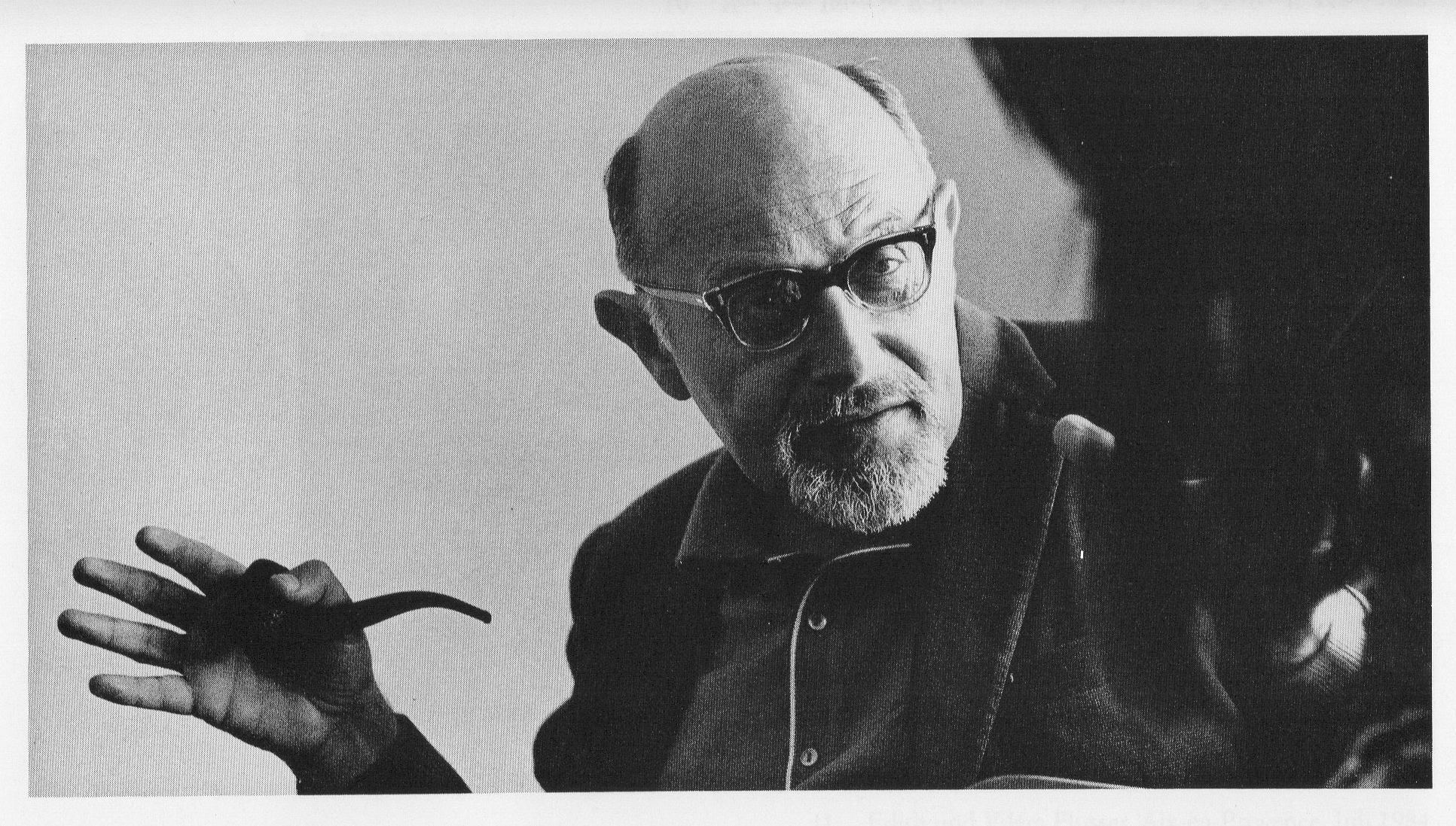
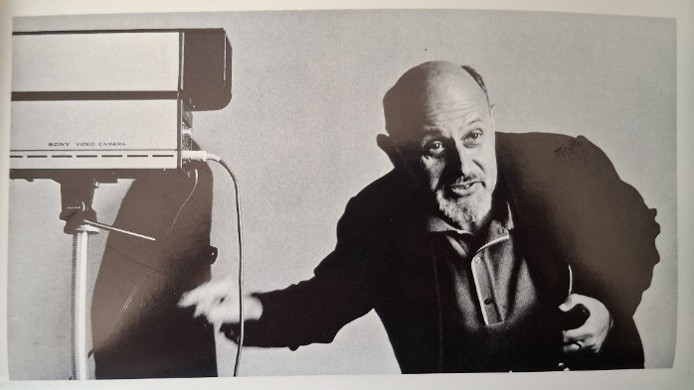
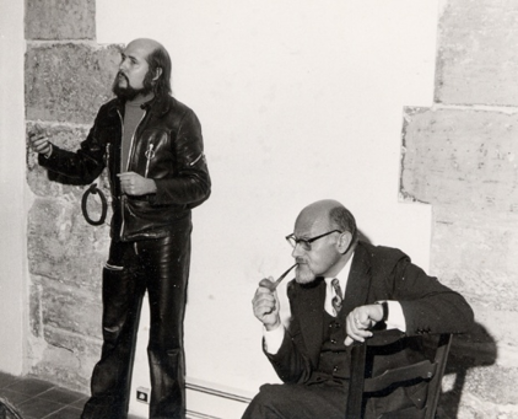
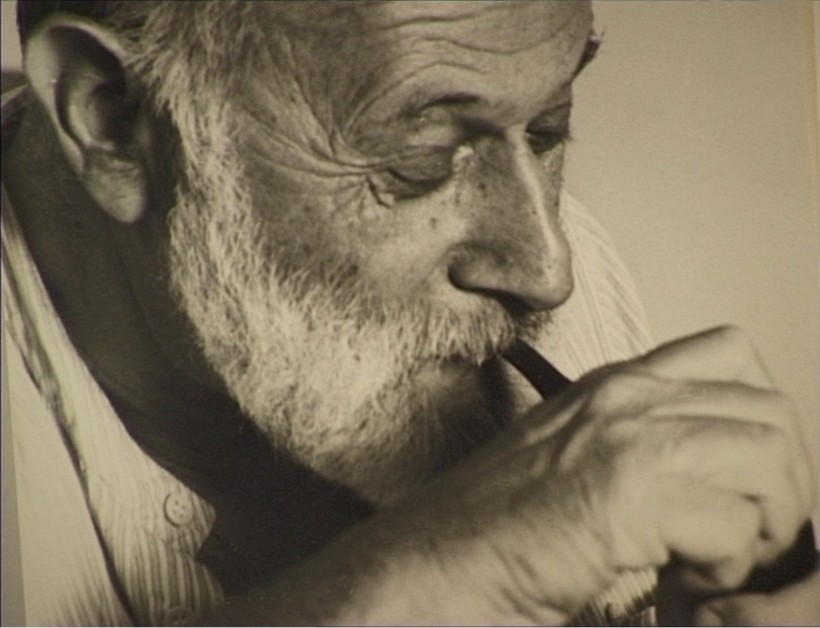
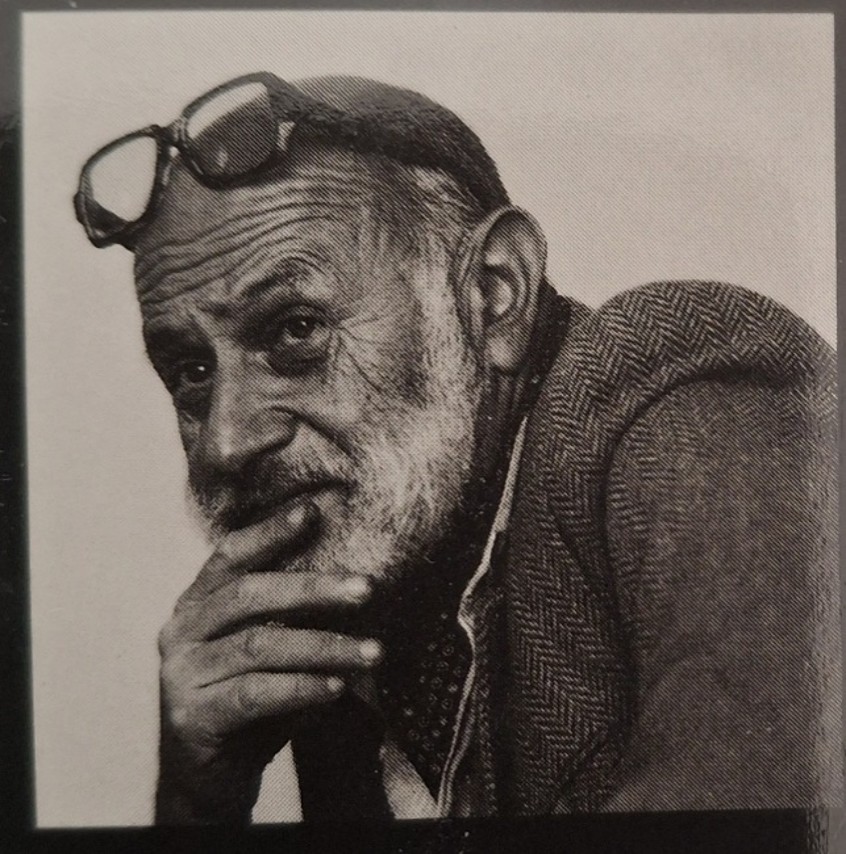
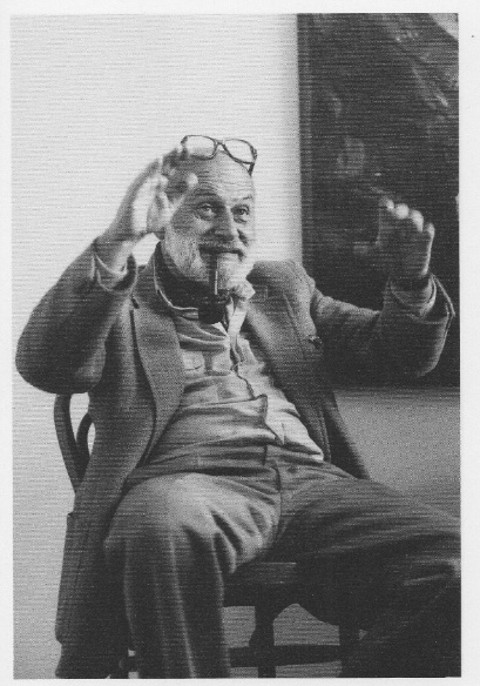
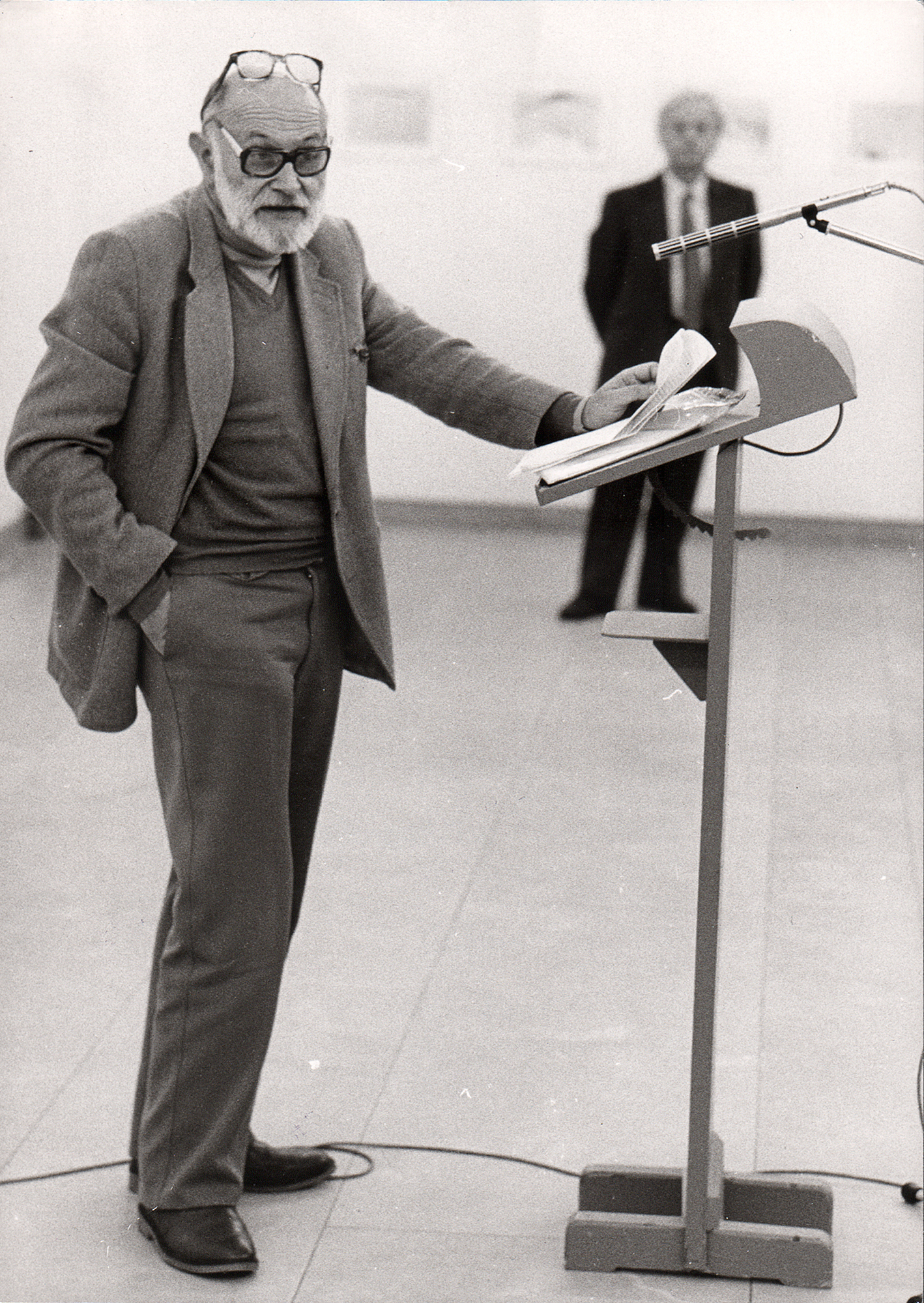
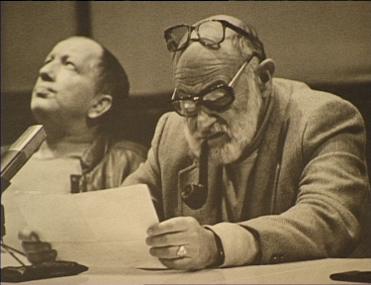
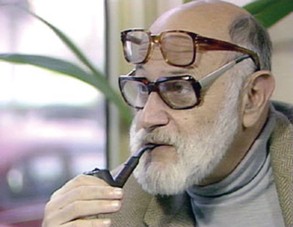
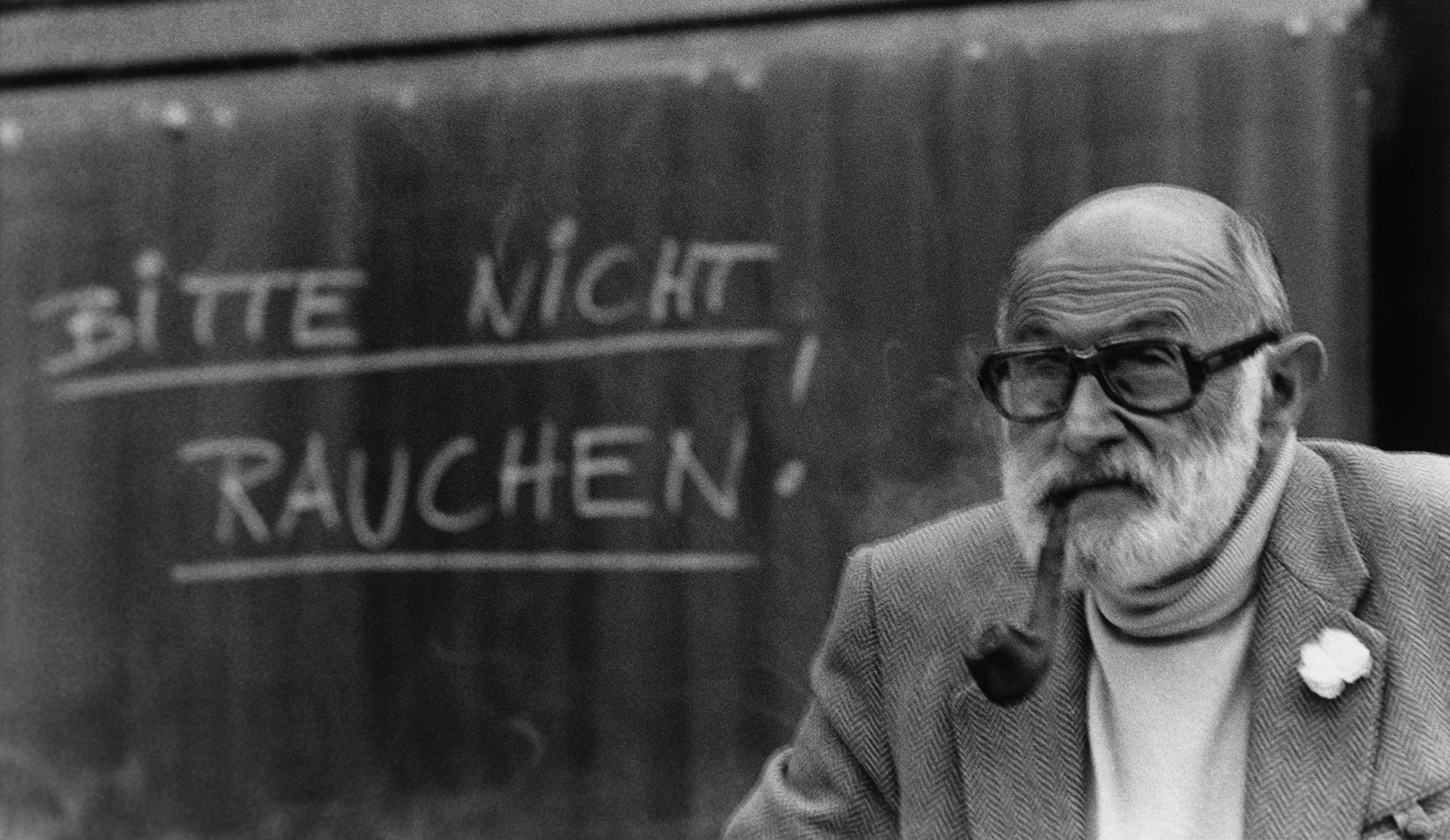
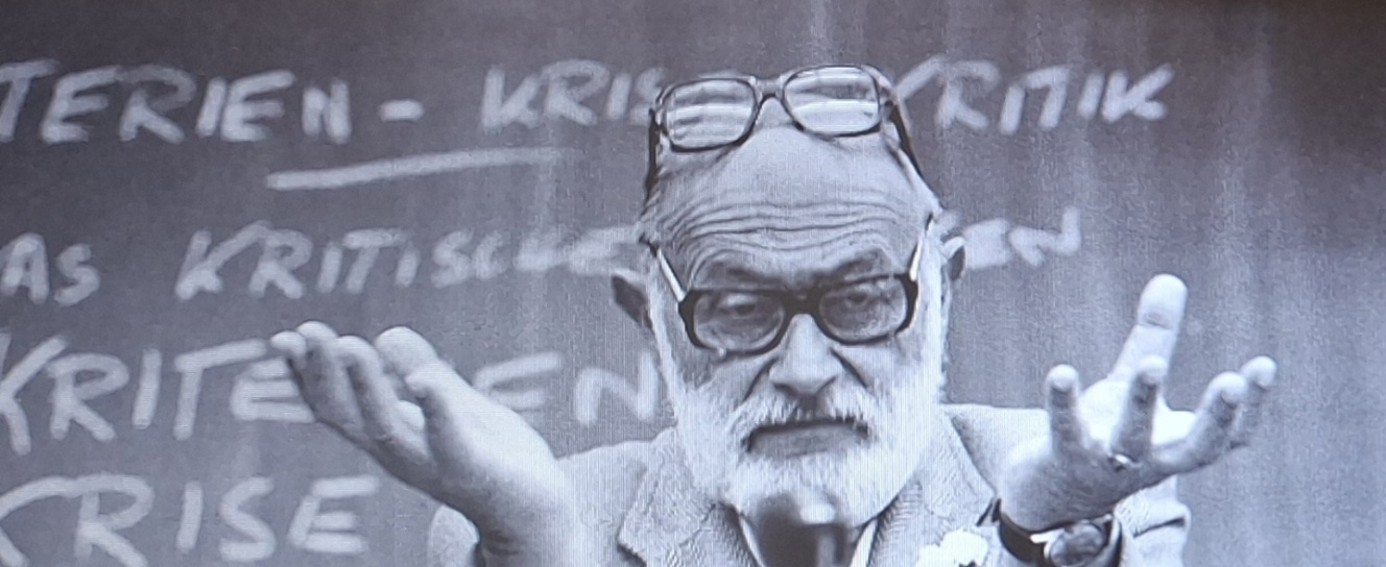
This essay deals with Vilém Flusser’s unique style of self-presentation that he developed in the course of his life. The elements composing this specific look were a pipe, sometimes unlit, a full beard, possibly compensating for an early baldness, and one, occasionally, two pairs of glasses. Add to this the movements of the hands and the extended arms, sometimes symmetrical, sometimes stressing difference. Beard and baldness set the stage for the mobile components – the pipe, the glasses and the hands – that Flusser used skilfully, together or on their own, one hand holding a pipe or both to attract attention to a specific point, to signal a pause or to emphasize a sudden change in argumentation. Flusser’s image of the 1980s and early1990s – the time when he became famous as the philosopher of communicology, technical images and telematics – is that of a thinker restlessly talking and gesticulating while manoeuvring his pipe from one hand to the other or his glasses from the nose to the forehead and back or that of the meditating philosopher slowly walking back and forth in front of his audience with his hands folded behind his back and a pair of glasses pushed up onto the forehead. This personal style of self-presentation leads to the very heart of Flusser’s philosophy. His nomadic way of thinking finds a visible enactment in his gestures and his parallel use of pipe and glasses. It is a peripatetic, non-linear form of argumentation, constantly moving back and forth, characterised by frequent cuts and shifts: standing up and sitting down, walking hither and tither, moving the pipe from one hand to the other, putting it away and getting hold of it again, pushing the glasses onto the forehead or to the top of the head and sliding them down again.
El extraño señor llamado Vilém F.
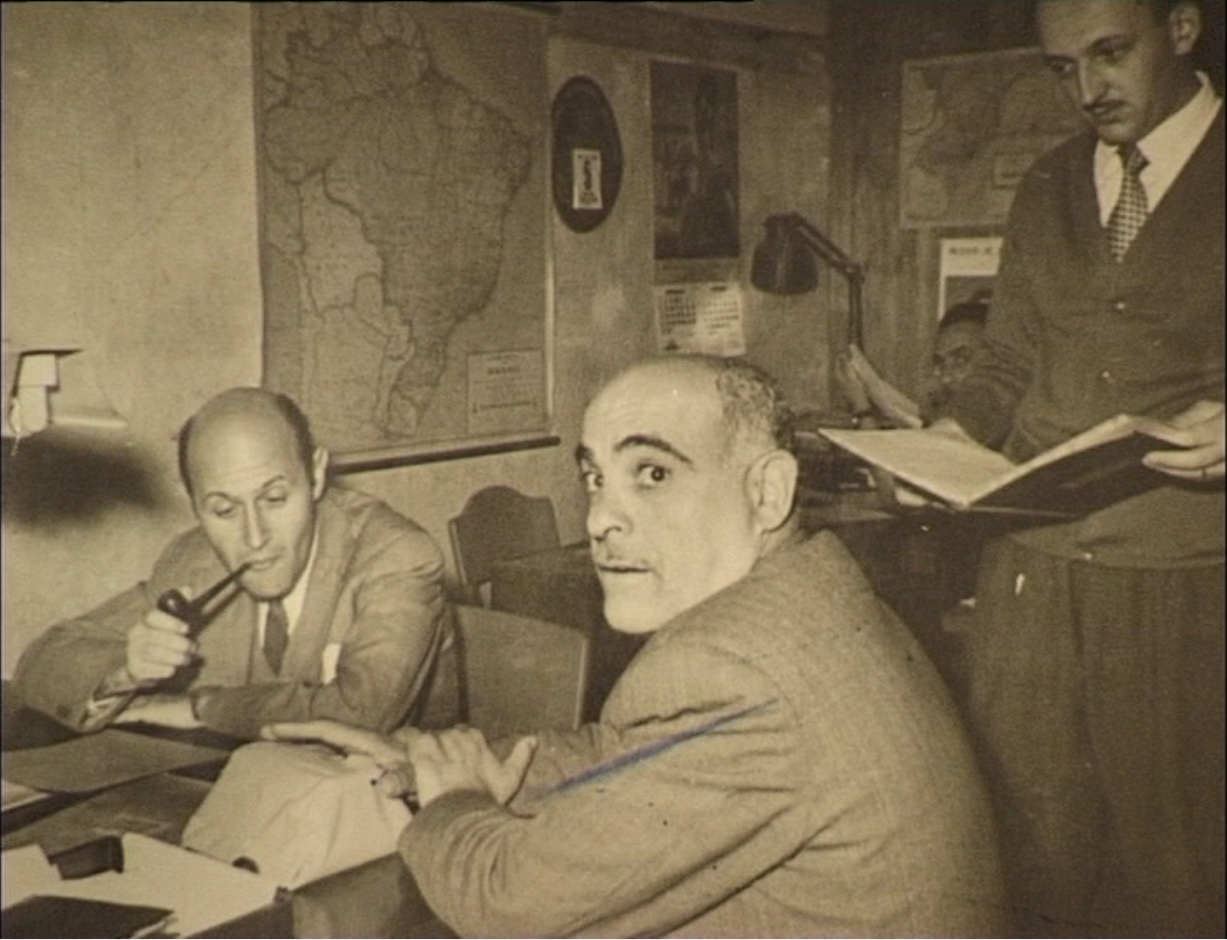
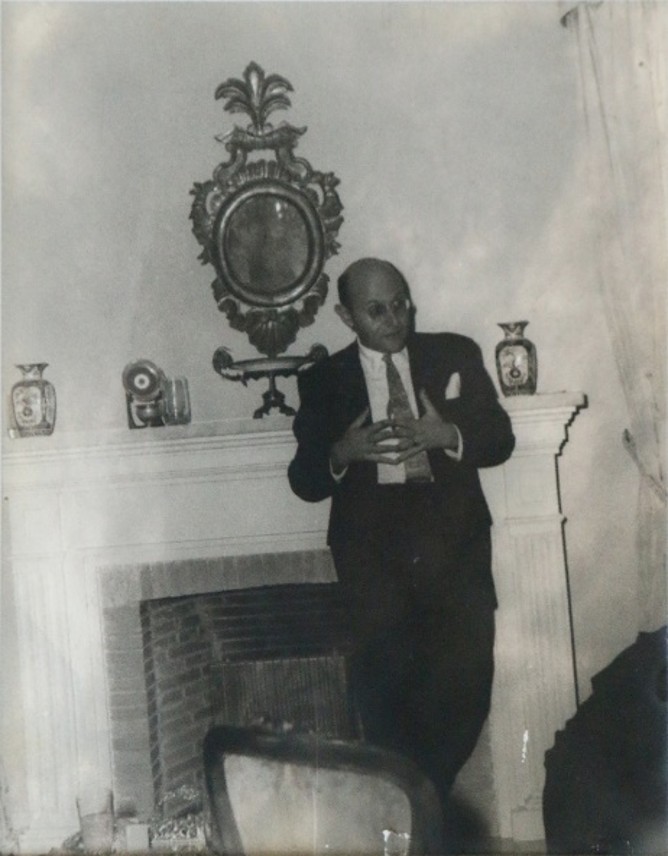
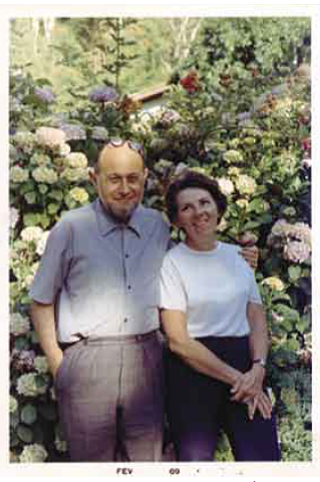
This essay is a reflection from various perspectives on the life and work of Vilém Flusser. Structured as a series of scenes, it connects biographical and geographical reflections, ranging from his escape from Prague, his residence in Brazil, and his return to the city of his birth, with considerations on the peculiar structure and reception of his work, marked by its thematic and disciplinary heterogeneity. Through these scenes, the figure of a nomadic thinker, “groundless” (bodenlos) emerges, one who evades closed systems, inherited traditions of thought, and stable foundations. His life and work are permeated by displacement, discomfort, and constant challenge. Each section emphasizes a different aspect: his relationship with art and design, the playful character of his writing, his polyglot practice and its influence on his creative process, and his way of thinking about technology in dialogue with phenomenology, cybernetics, and philosophy. The aim is not to fix Flusser into a single definitive category as writer or philosopher, but to demystify him, placing him as a man of our present, highlighting his condition as a radical contemporary capable of reading our time as a Heraclitean flow, turbulent and labyrinthine.