Robots. A Speculative Compendium
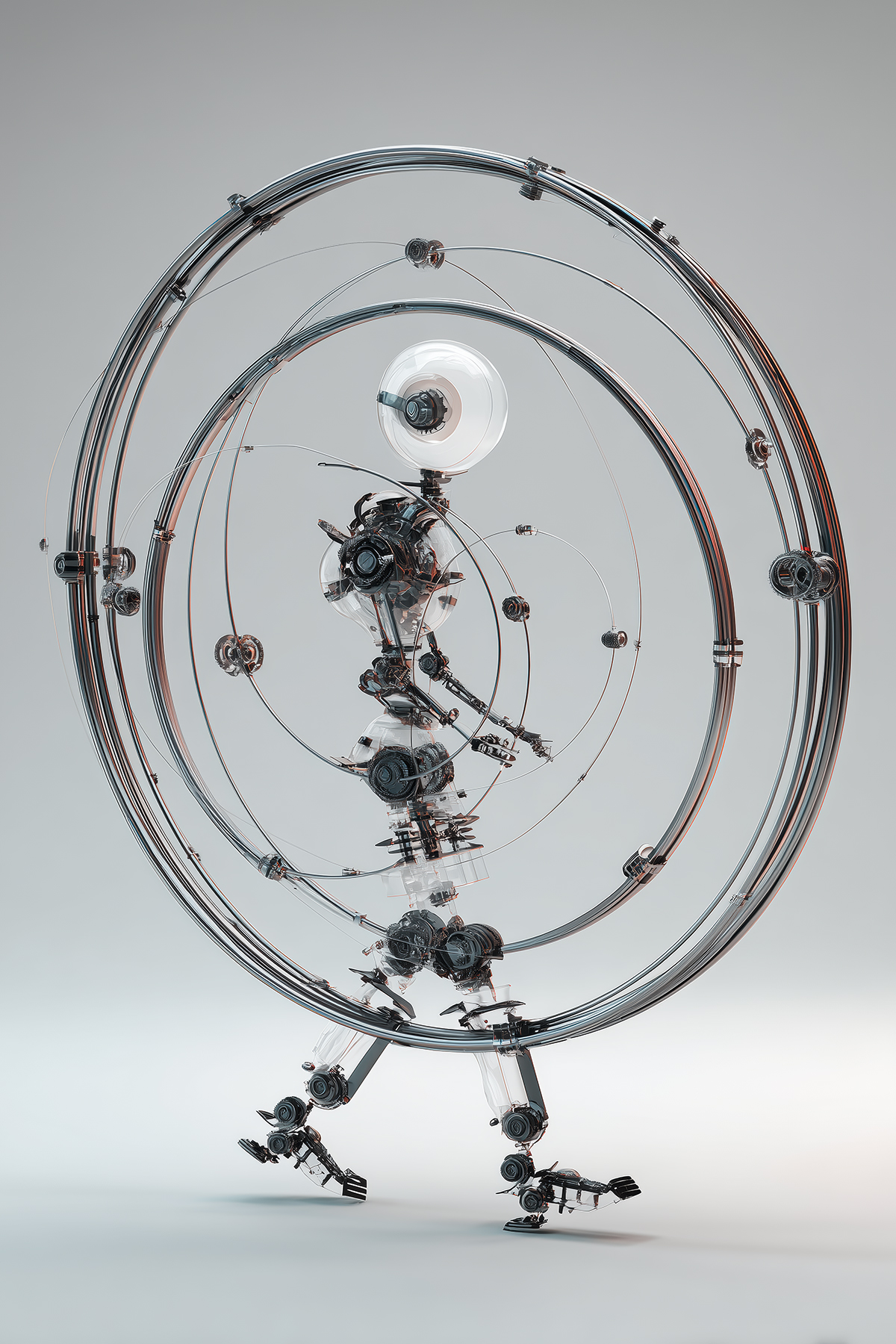
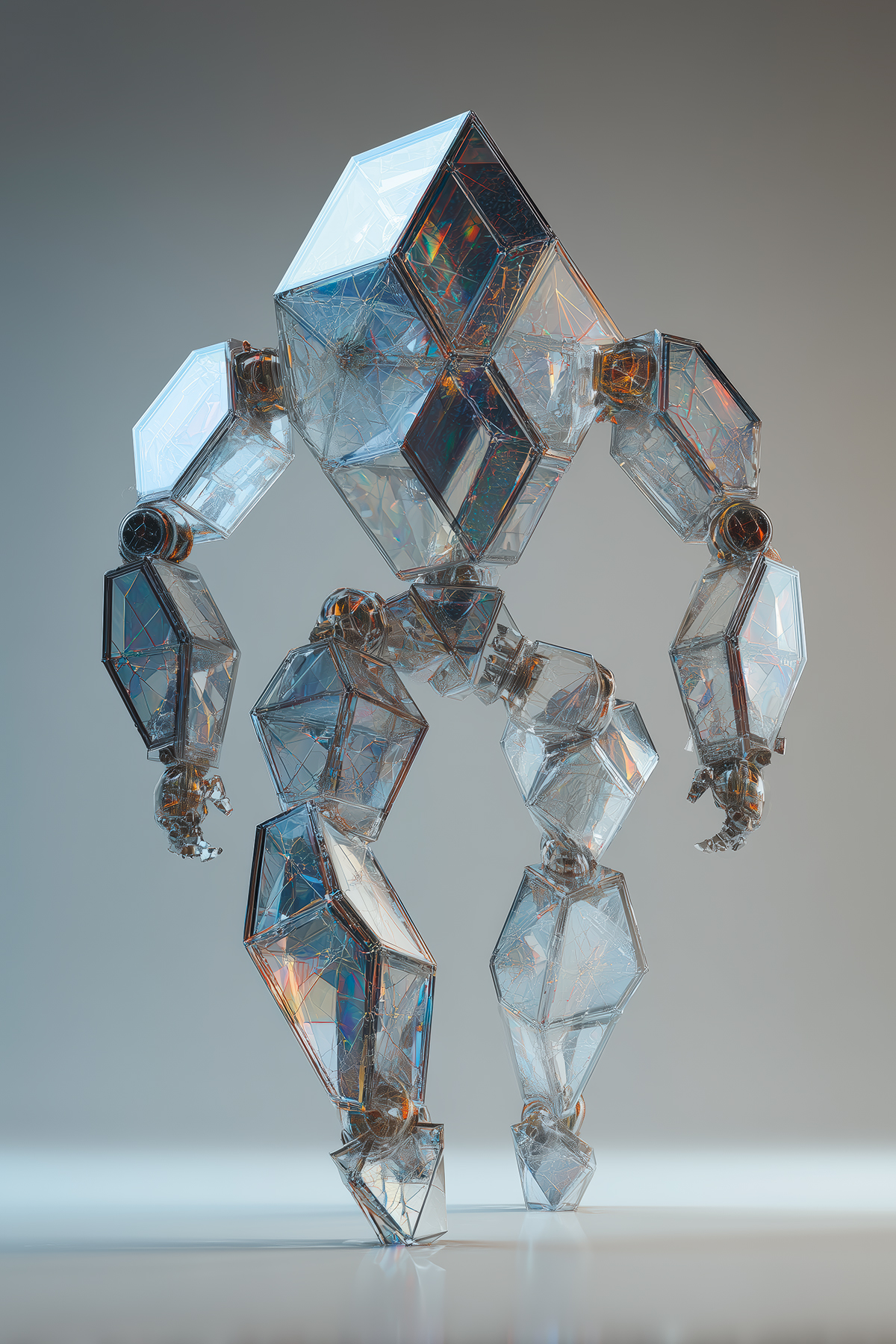
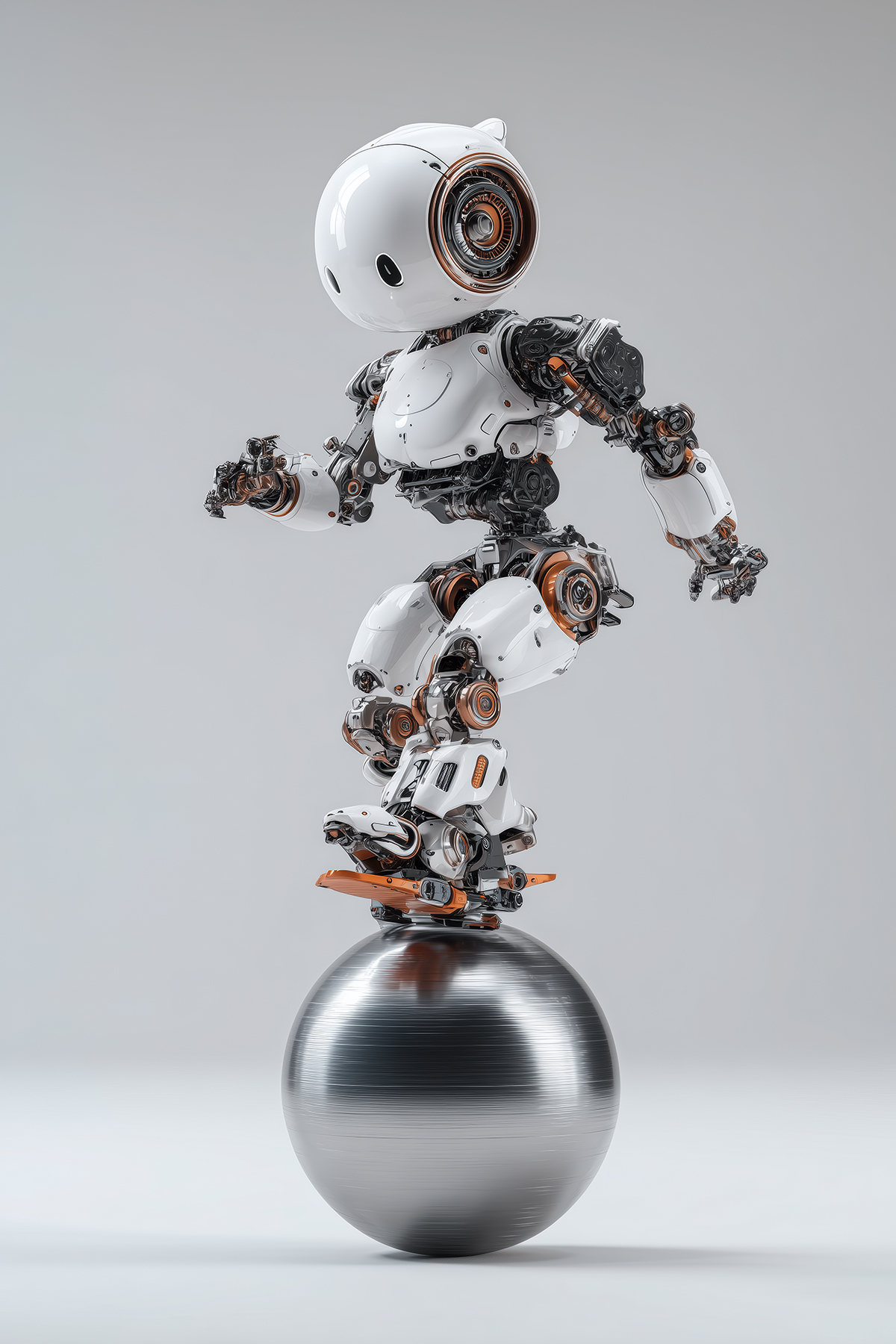
Andreas Müller-Pohle’s Robots. A Speculative Compendium, of which Flusser Studies publishes an extract and three separate pictures, contains an introduction, an afterword and altogether fifty-five images each preceded by the name of a bot and a short explanatory text as to its functions and abilities. The sequence is alphabetical leading from the Anatombot to the Xraybot. Most of the bots look human or human-like, insofar as they have arms, legs and a head. Beside the Gastrobot, a waiter, there are also the paired system of the Couplebot, the cello-playing Stringbot, as well as a dandy, (Hubbybot) and a nurse (Medbot). Some have a recognizable human face like the Musebot, an embodied contemplative figure, and the Mimicbot, a humanoid robot that replicates postures and gestures. The Phantombot is a “semi-transparent humanoid robot capable of penetrating solid barriers through phase shifting.” Some bots reminded me of science fiction movies like the cyborg-warriors Warbot and Riotbot from Robocop, the Neptunebot from Alien or the Rocketbot from Ironman. Some bots are based on single parts of the human body like the Graspbot an “orbital manipulator” that looks like a gigantic flying hand (from the review published at the end of this issue of Flusser Studies).
Bibliophagus convictus – Relatório 313 sobre o incidente “Caso Alegria” / Bibliophagus convictus – Report 313 on the “Alegria Case” Incident
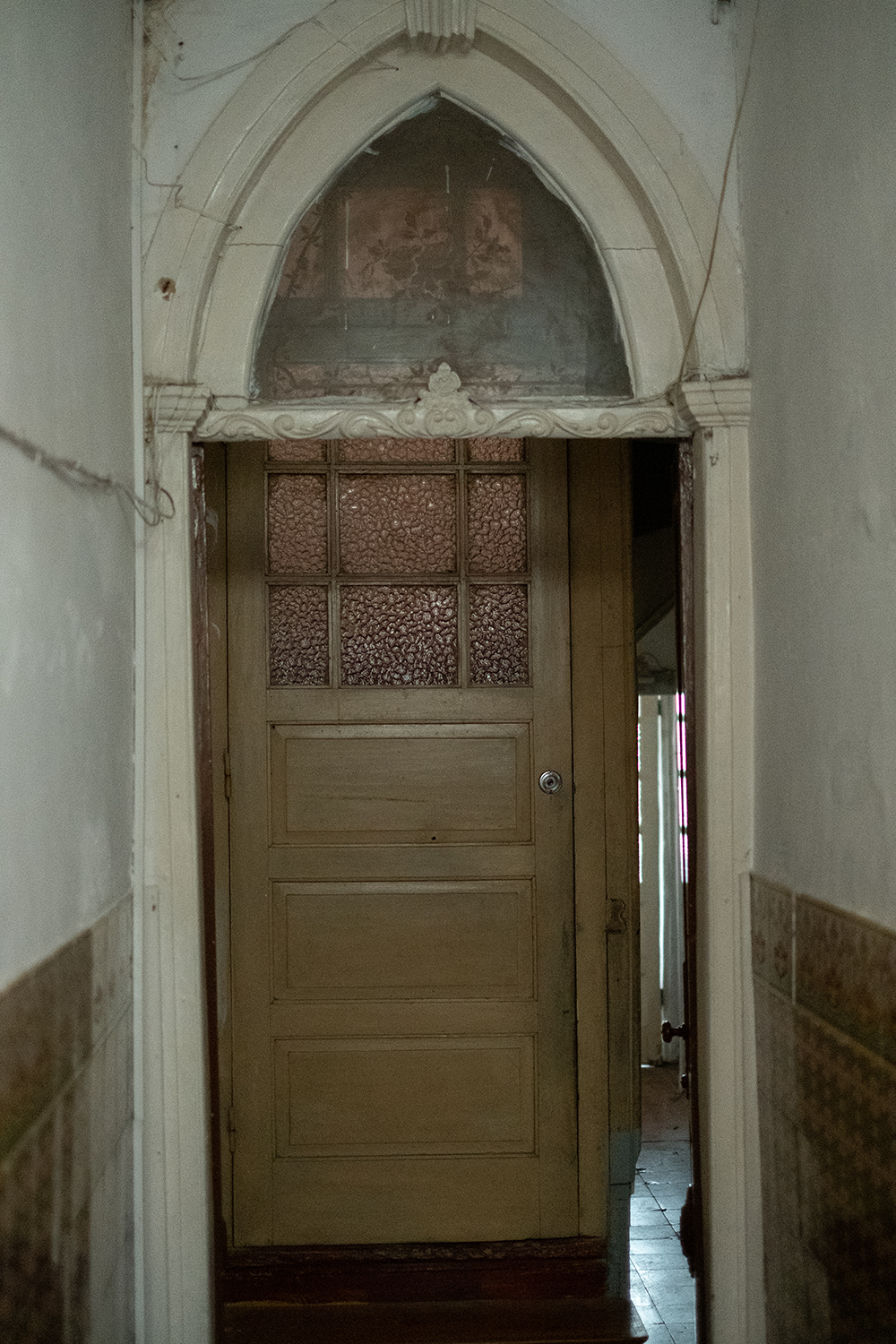
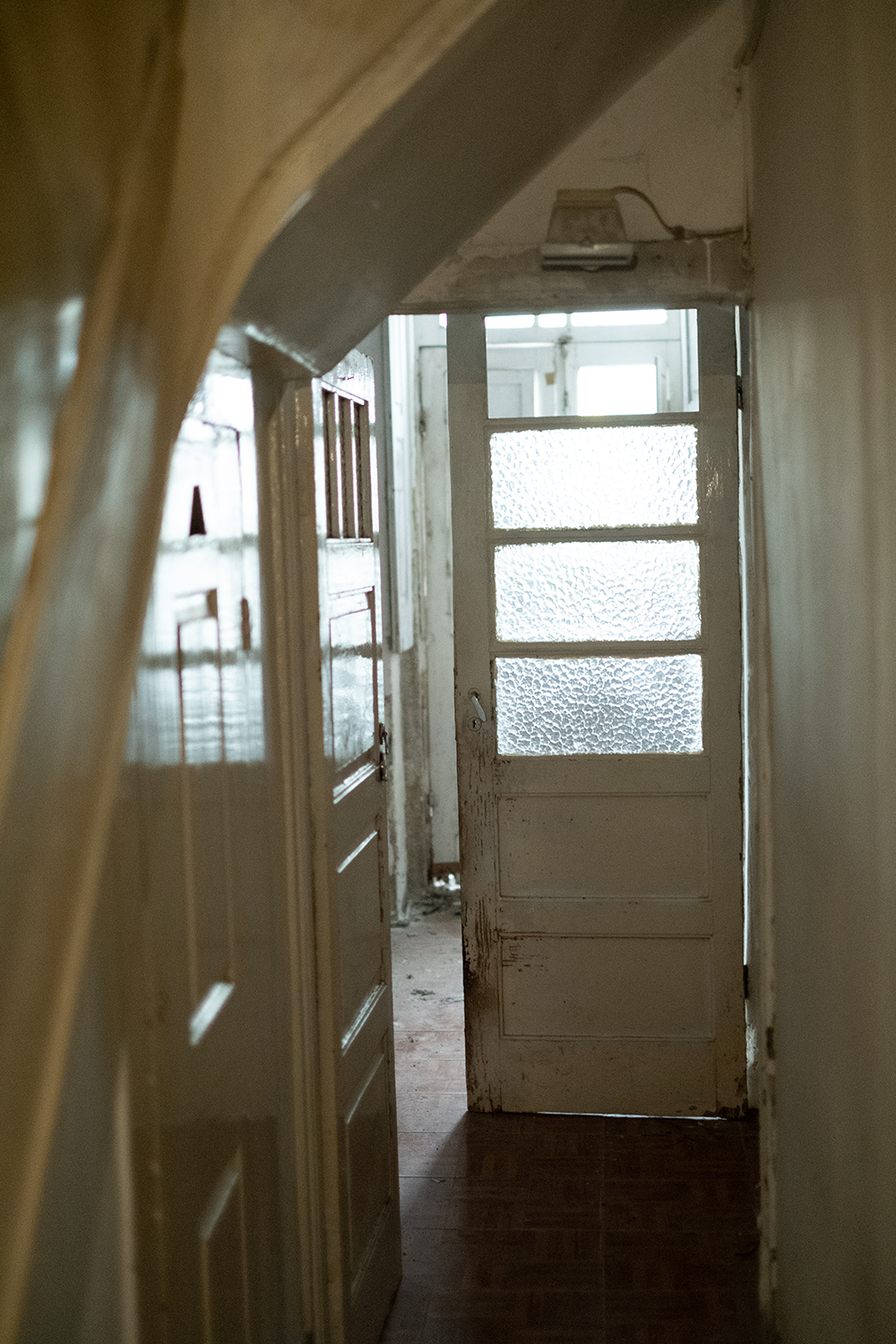
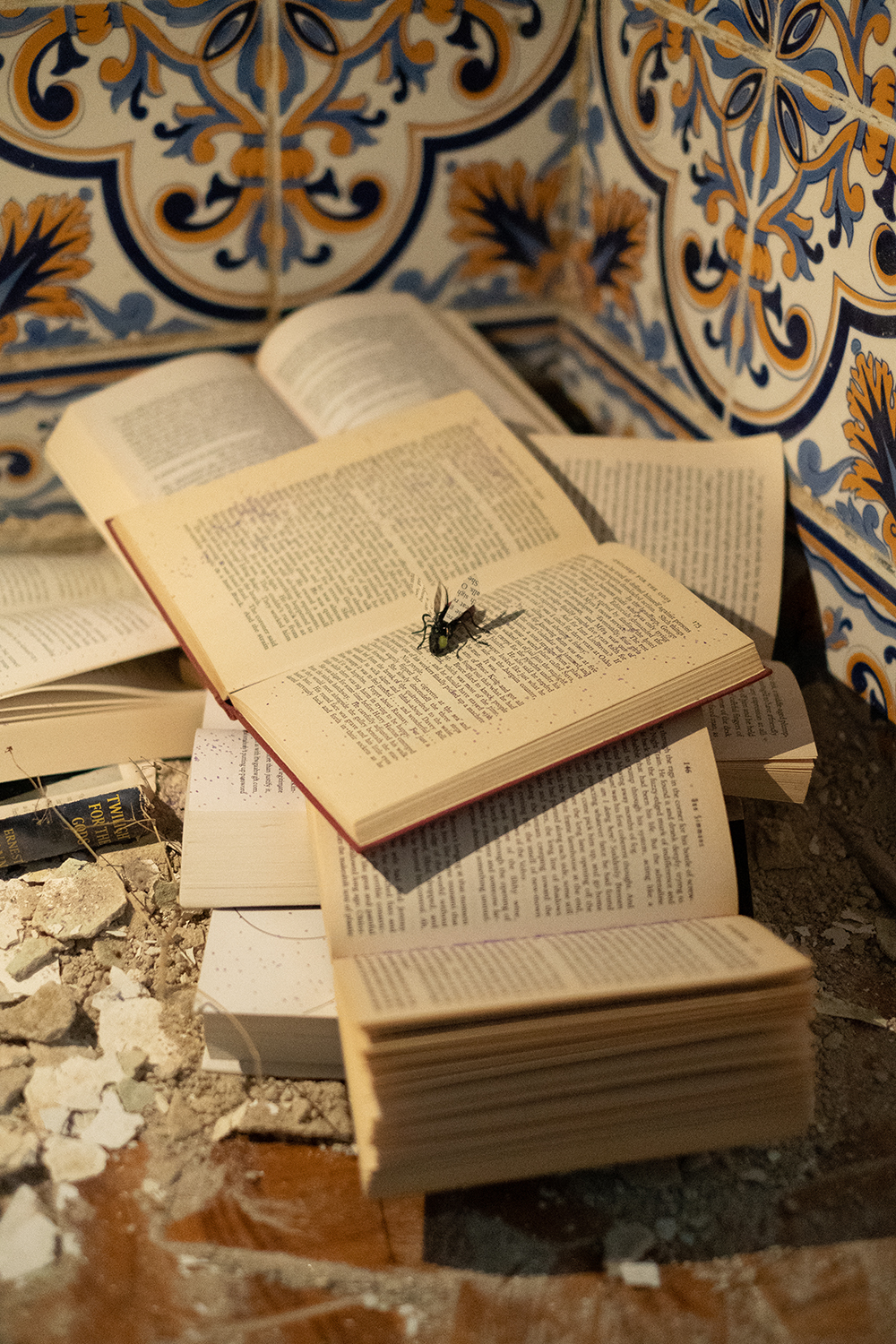
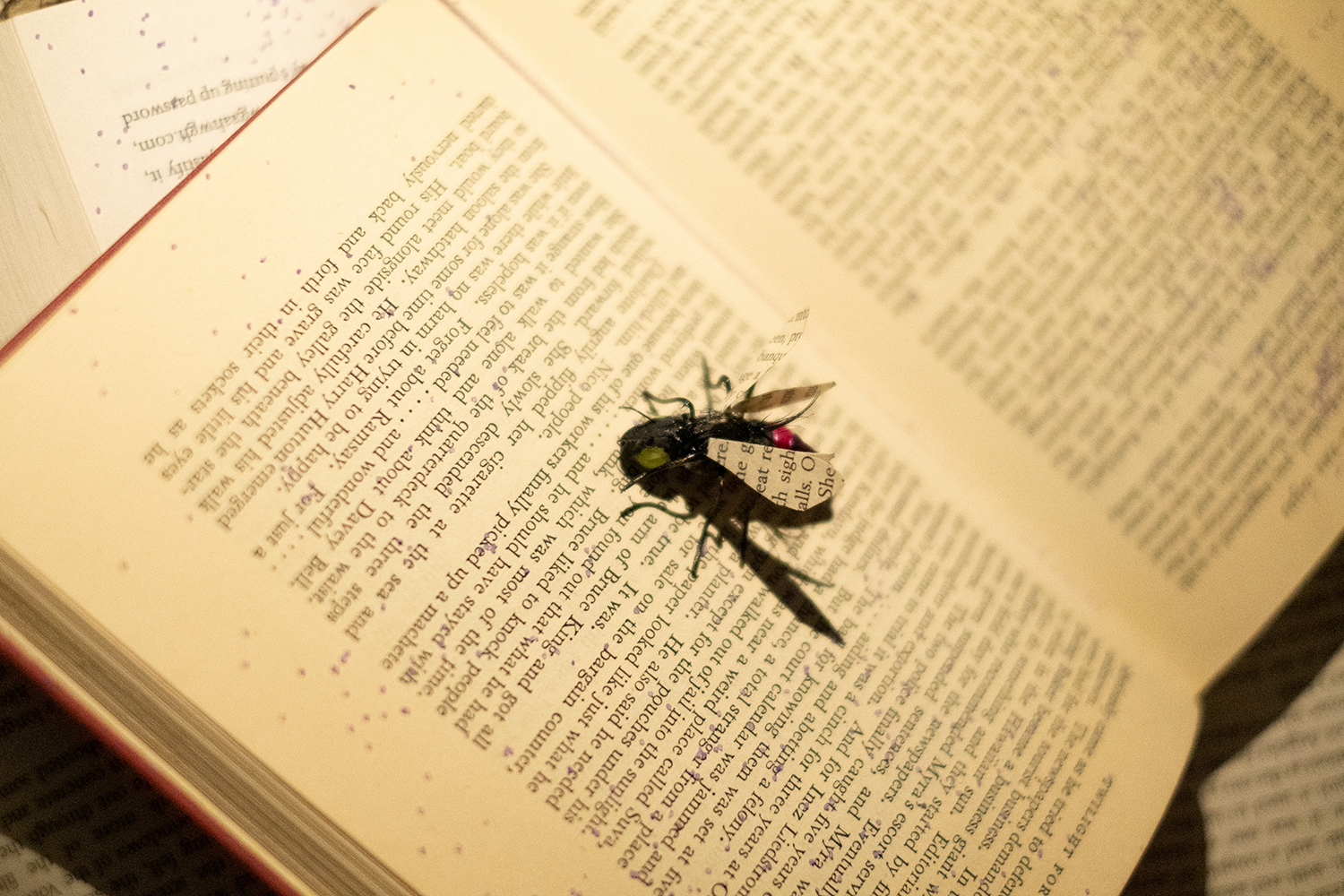
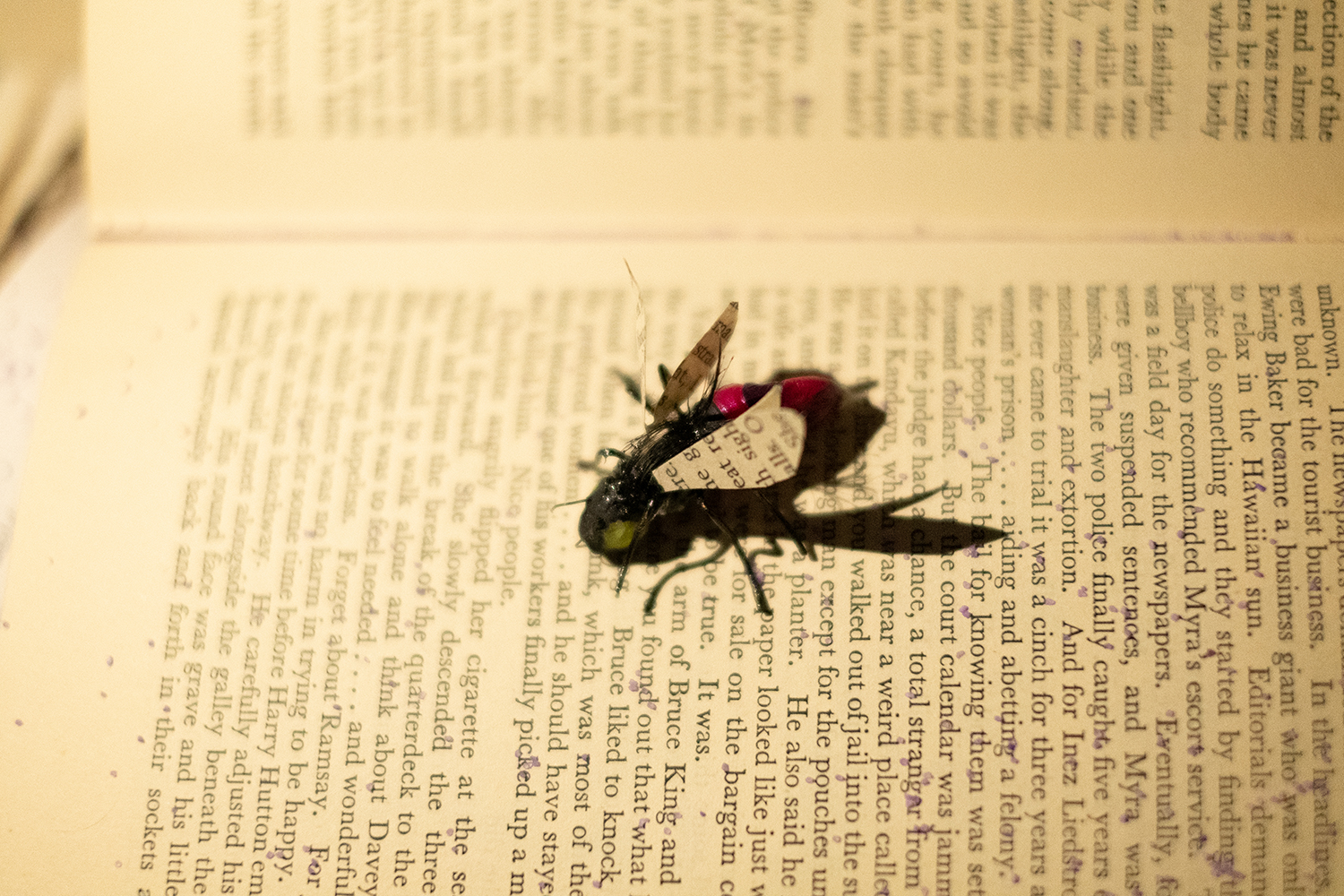
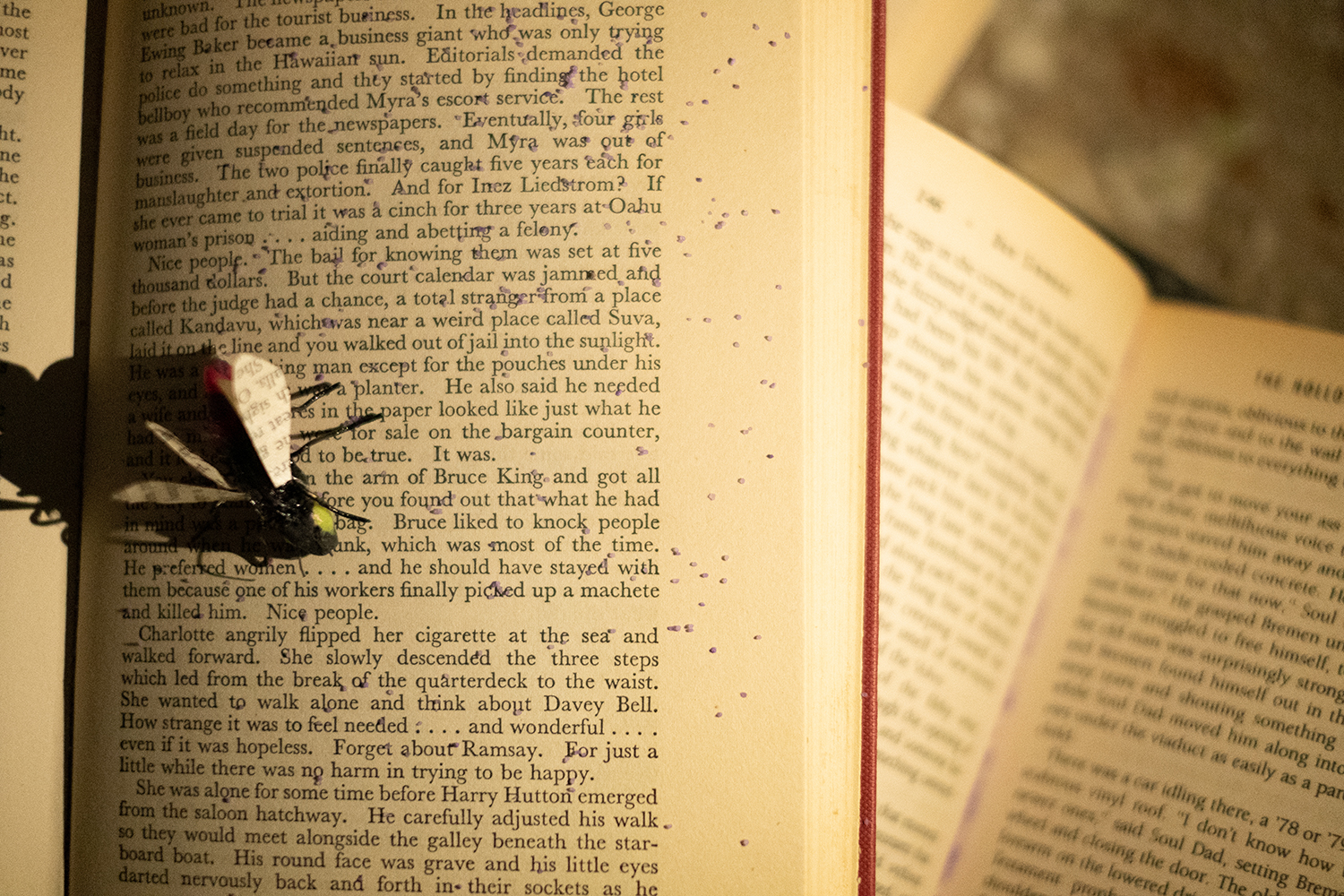
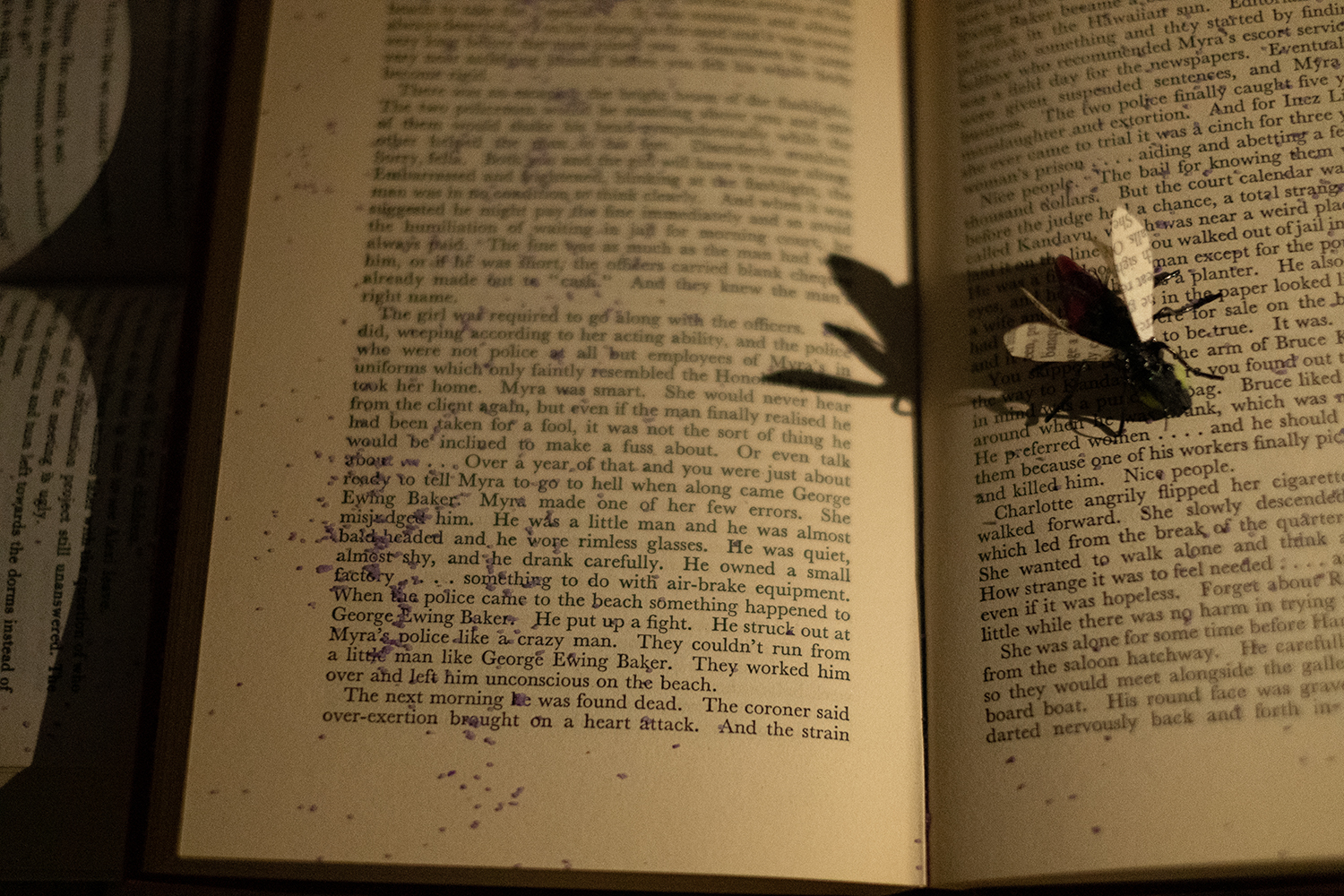
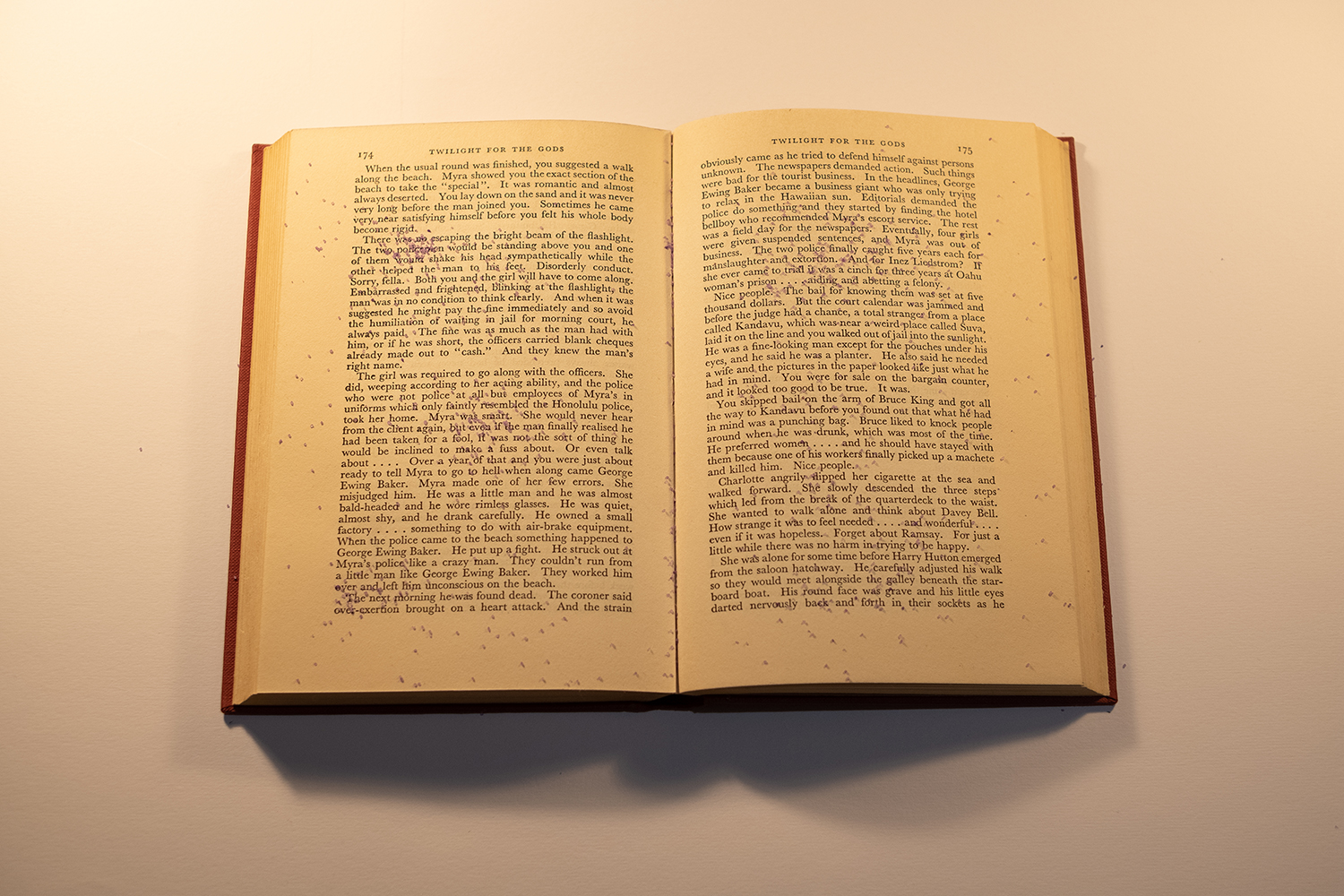
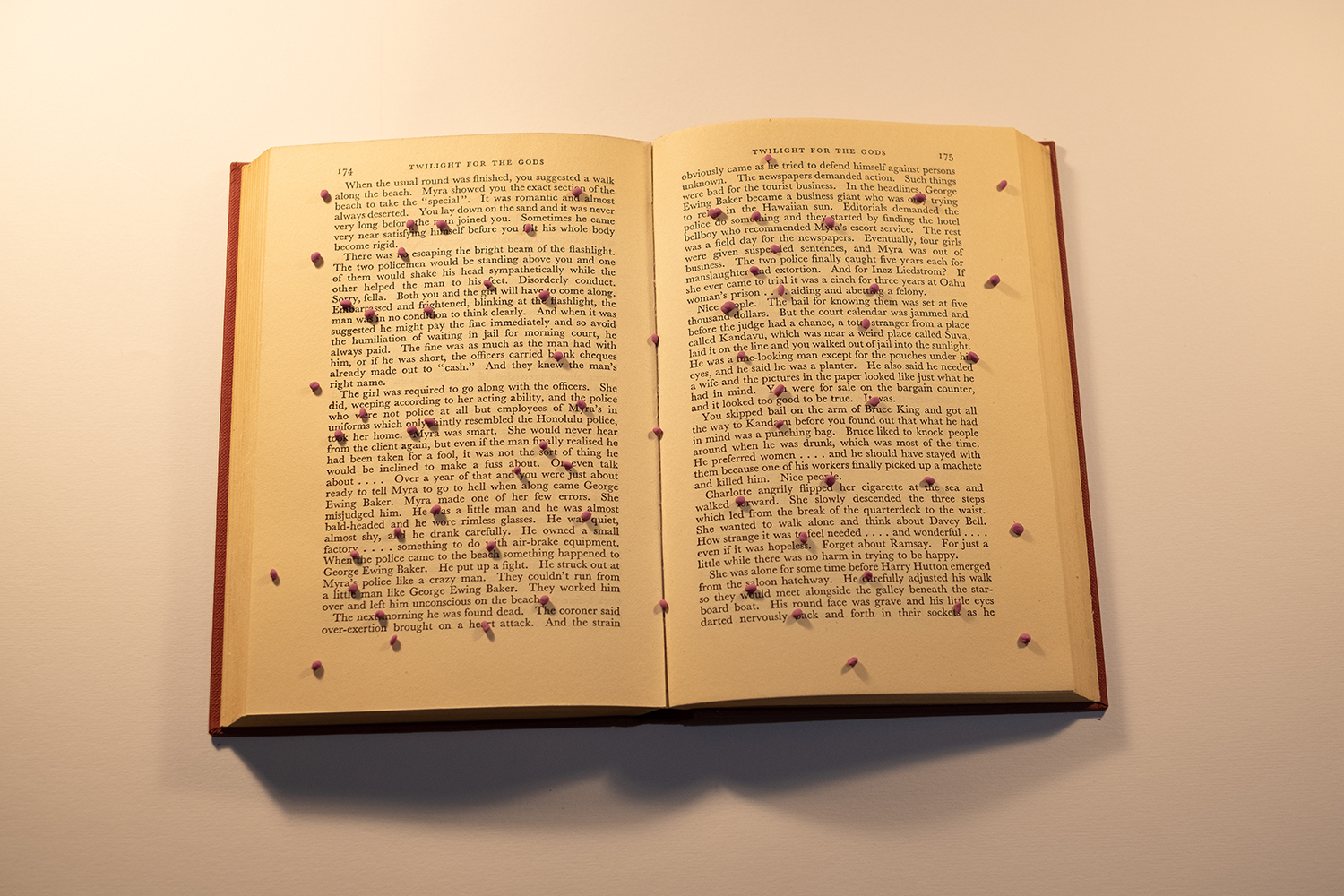
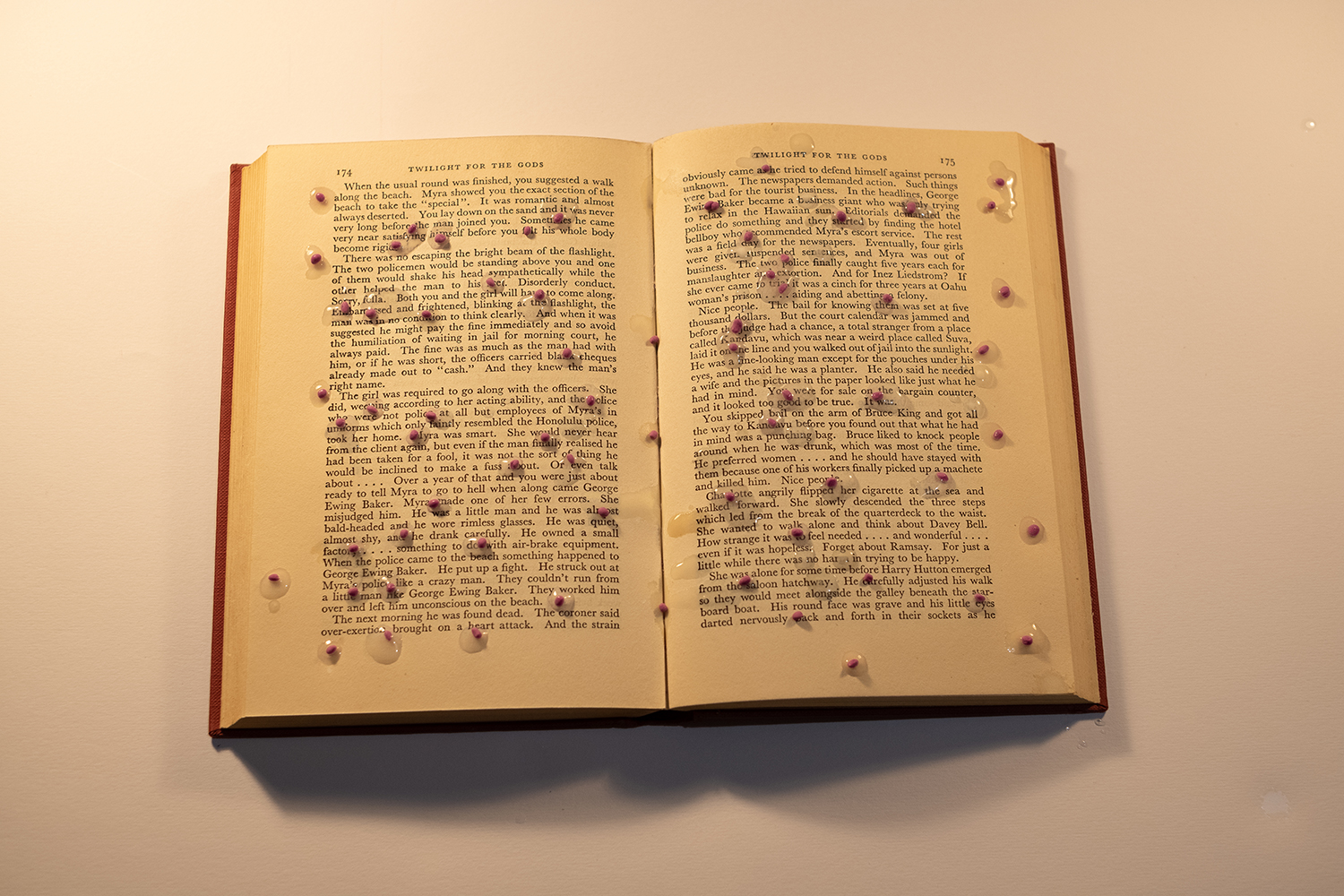
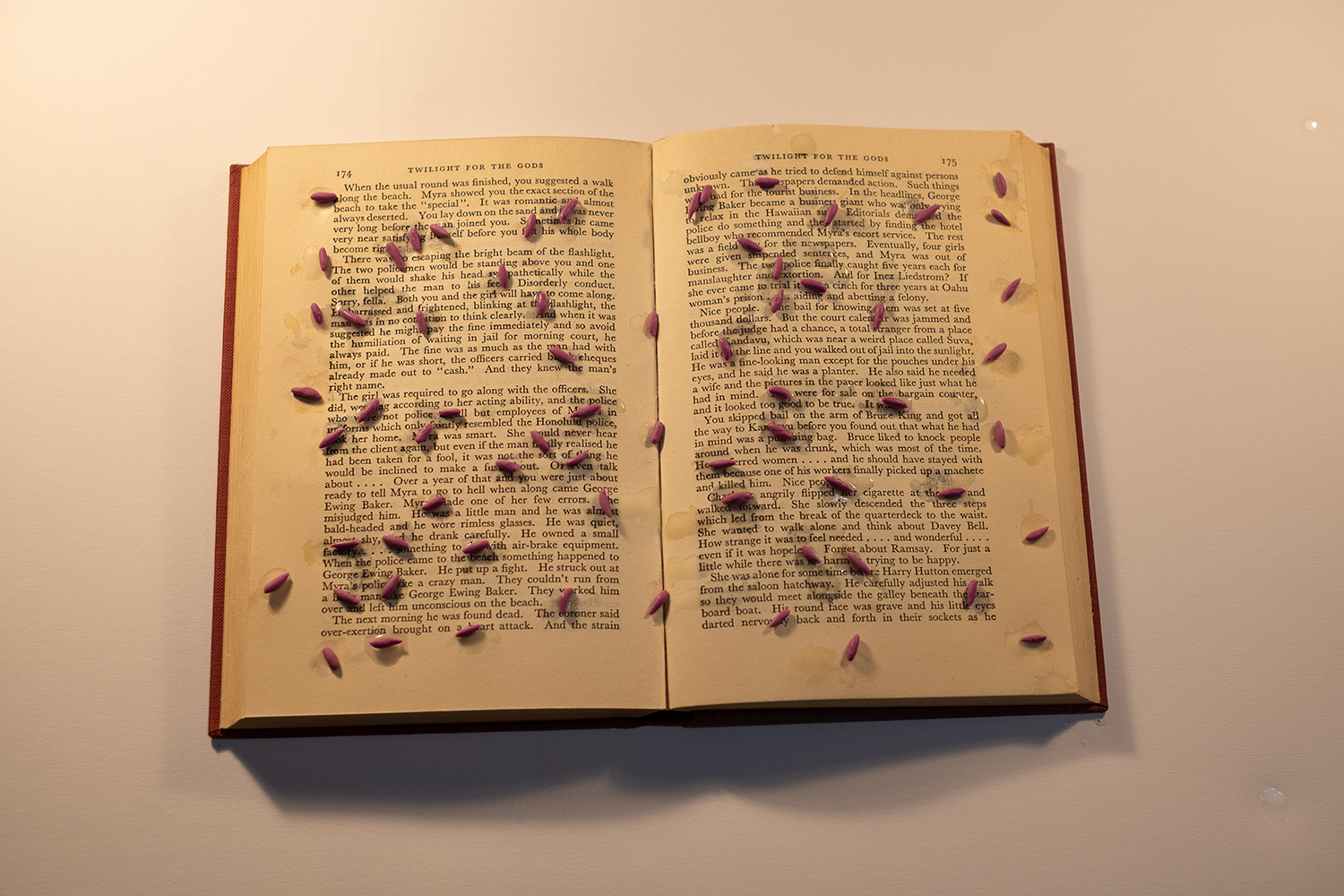
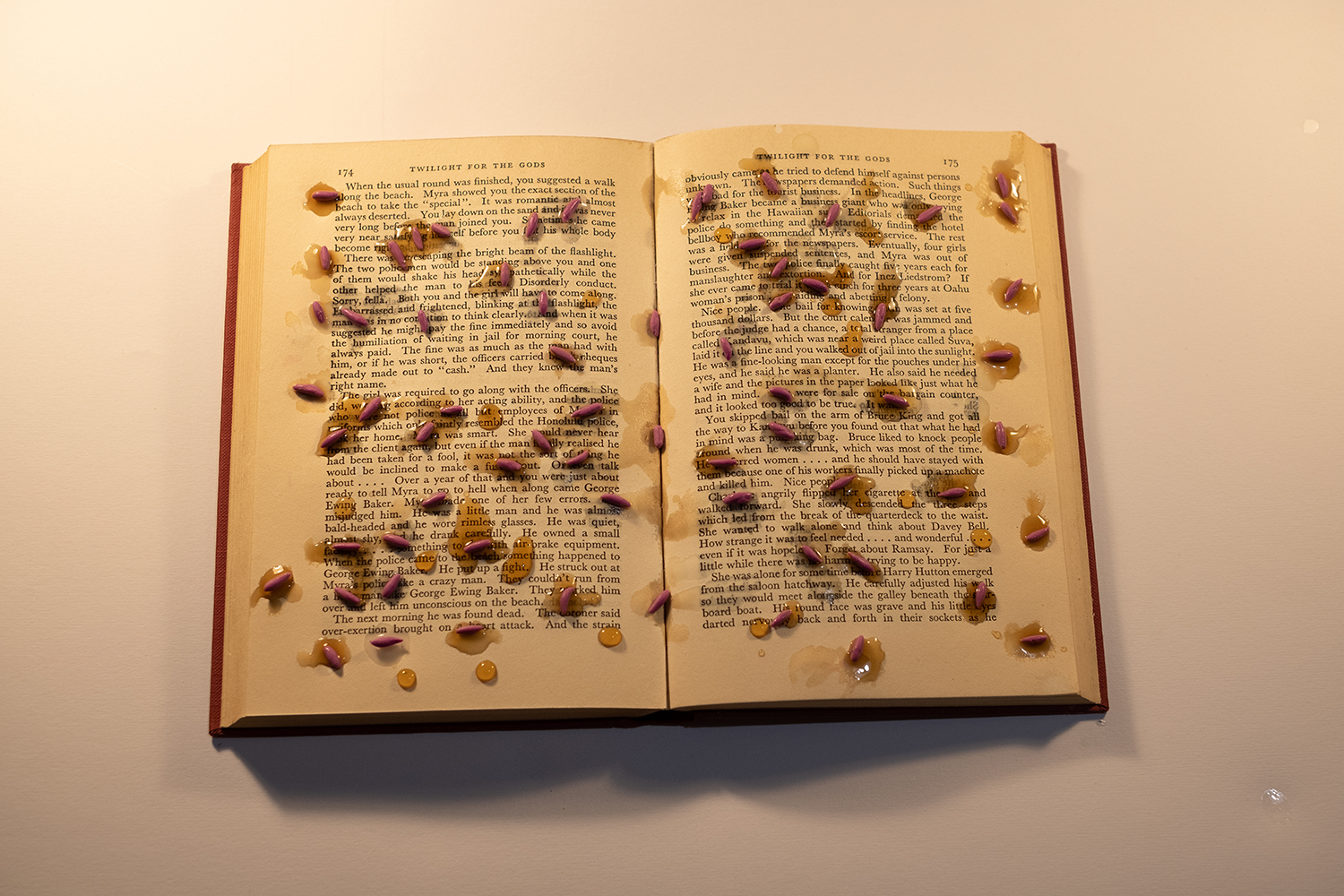
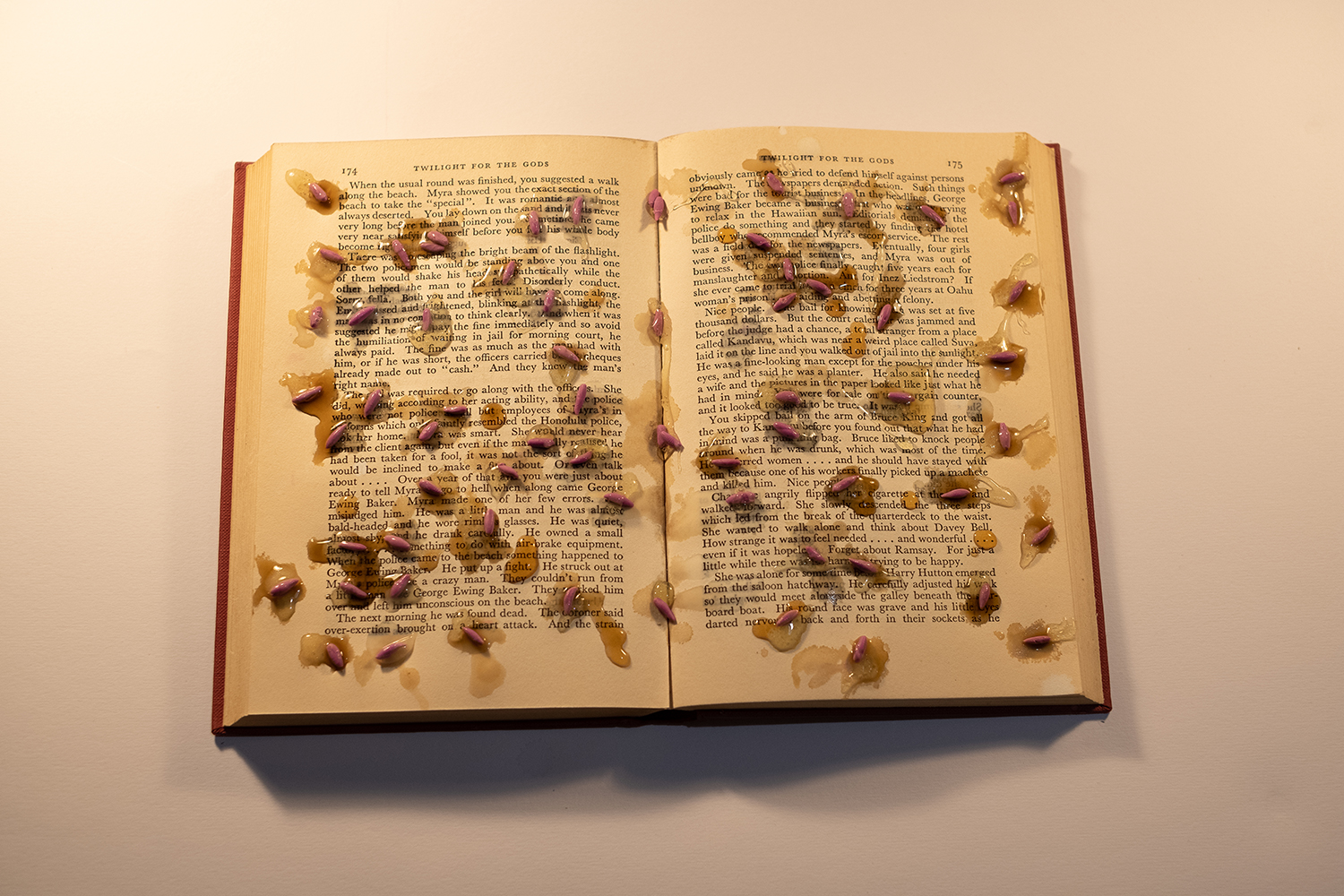
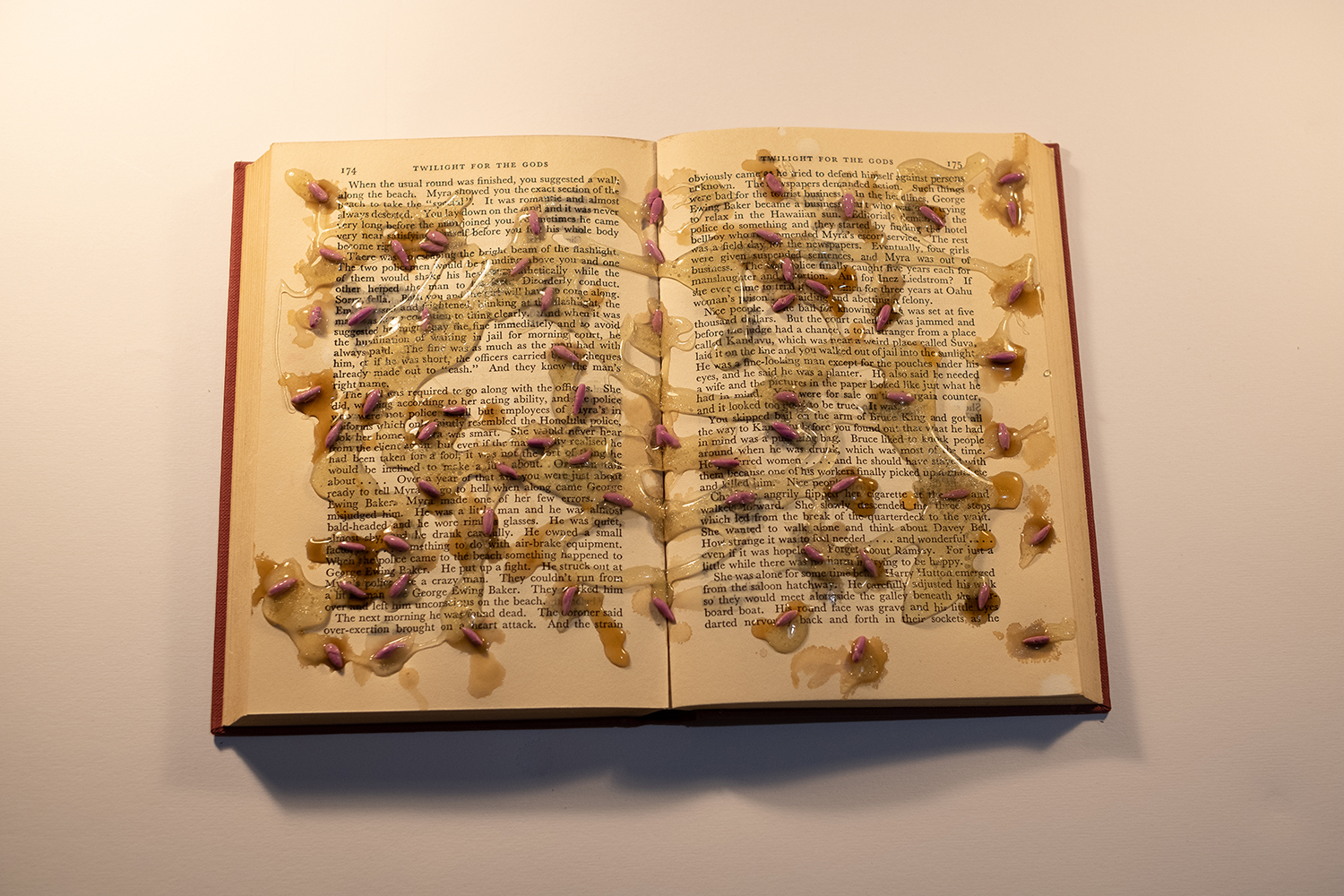
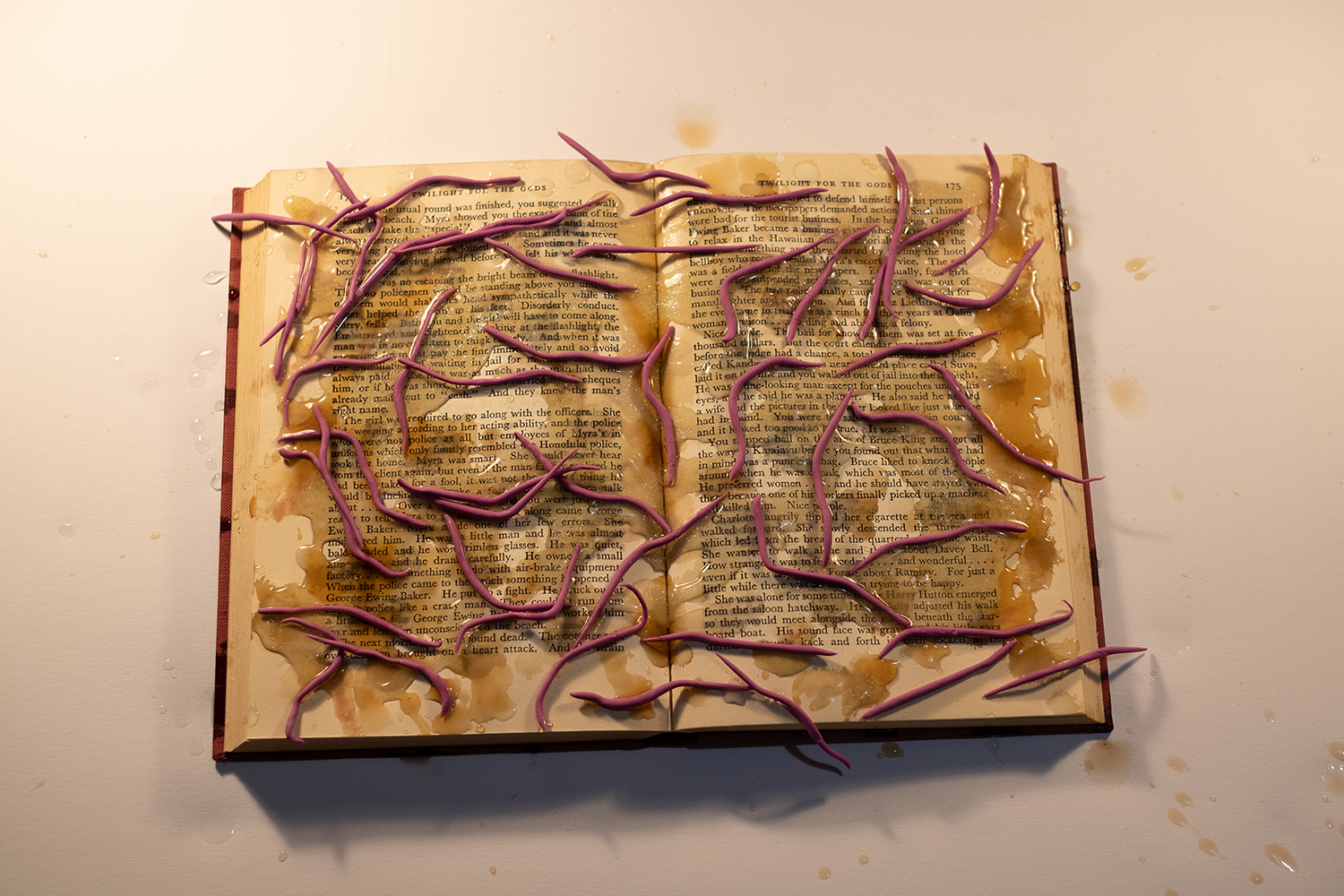
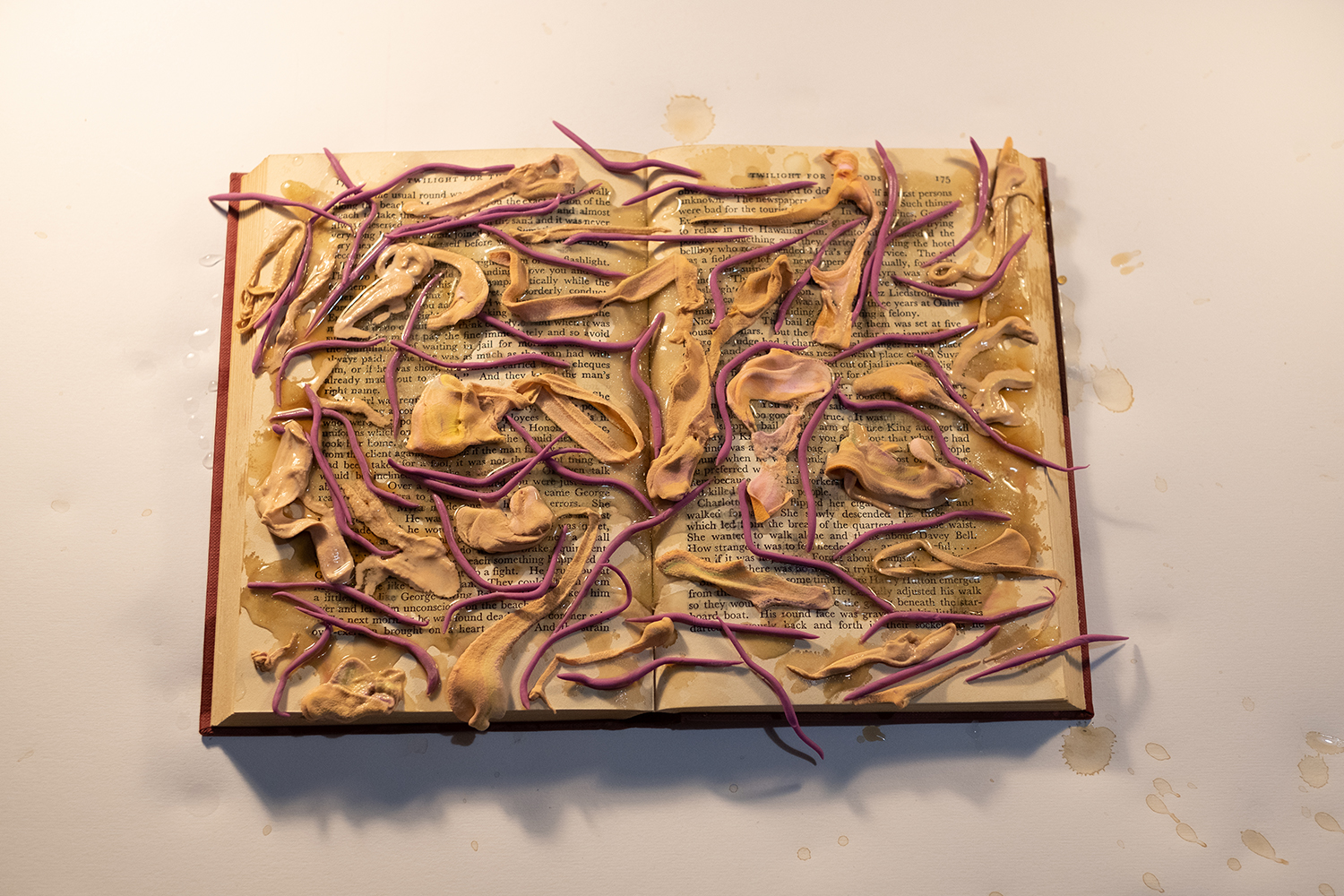
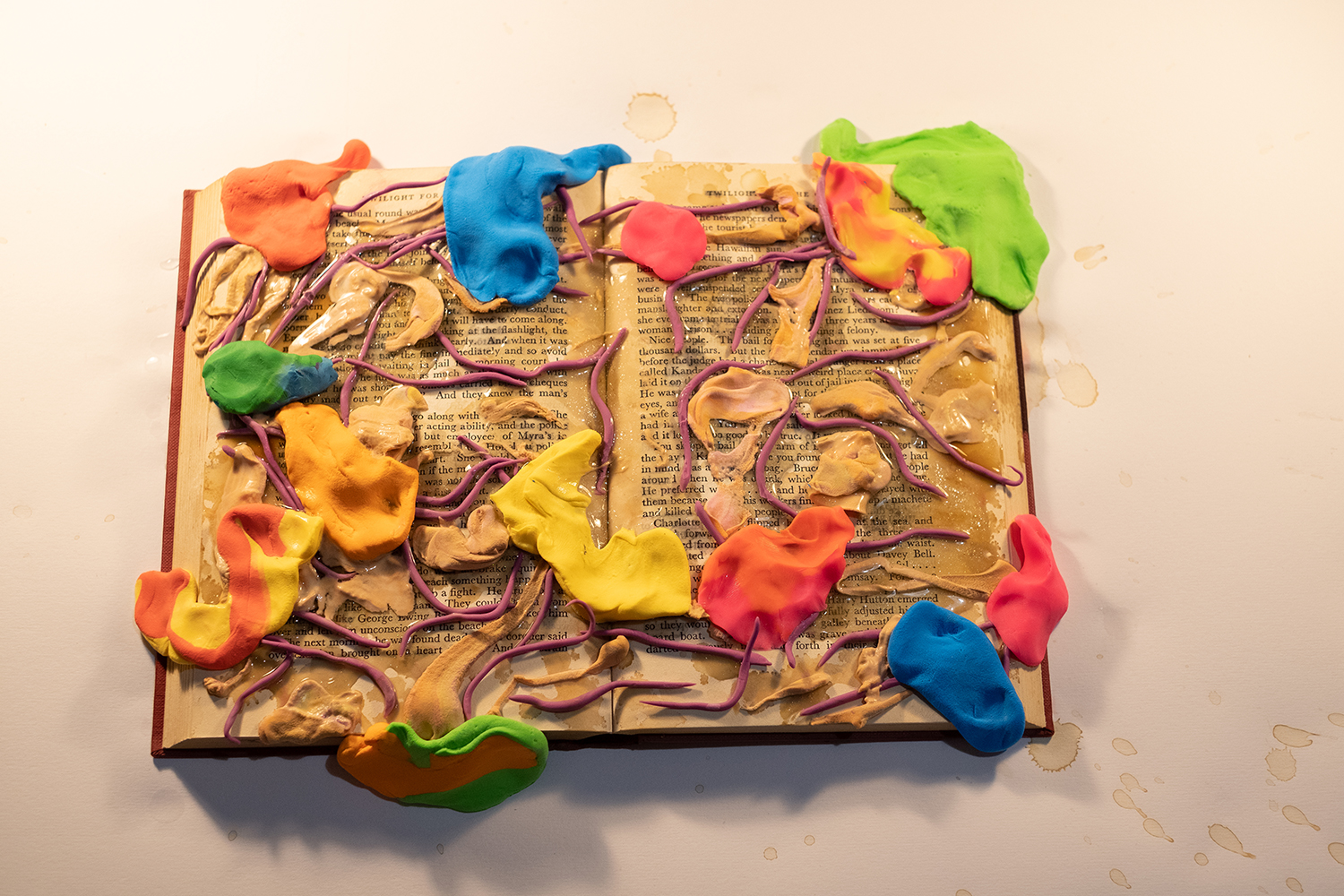
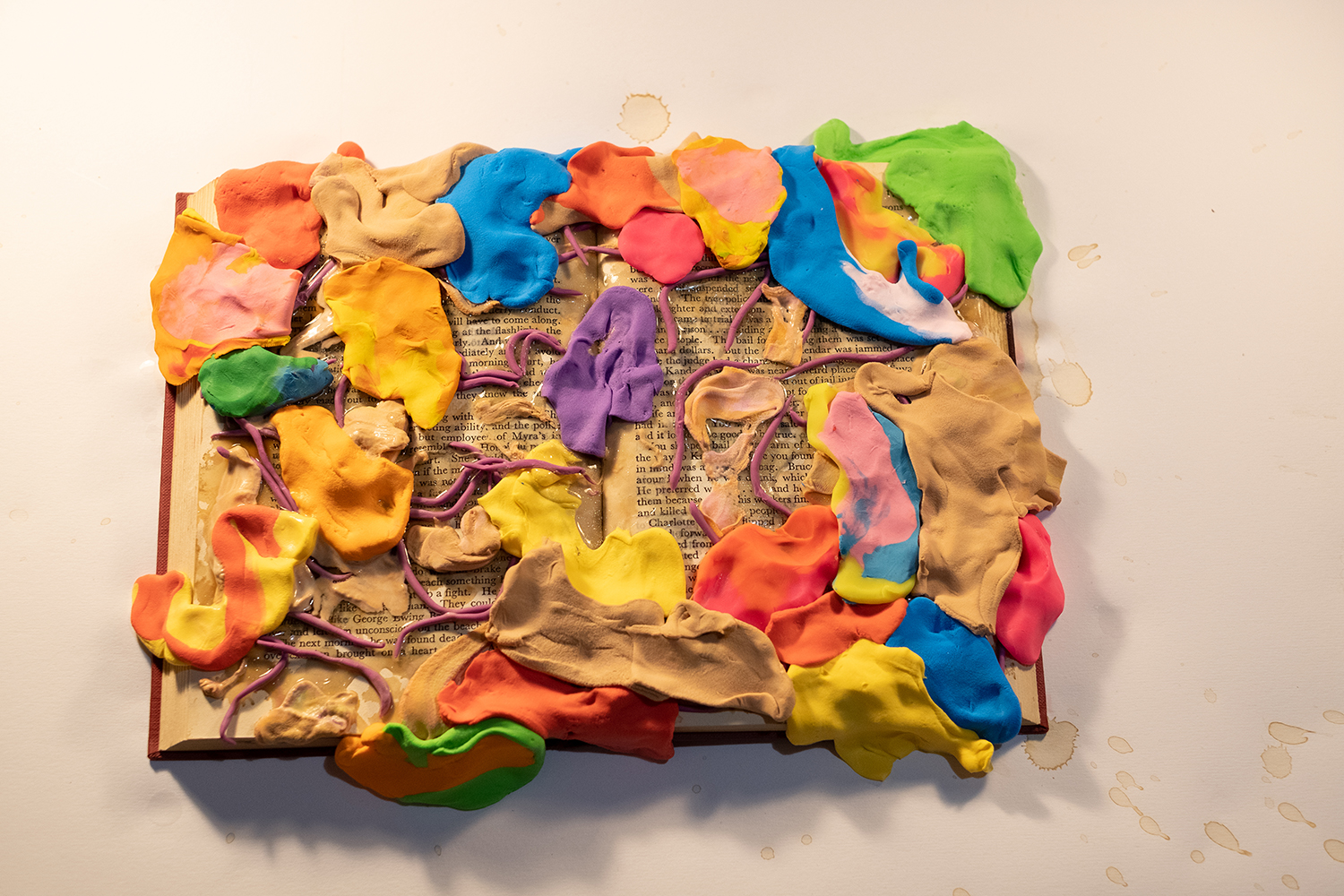
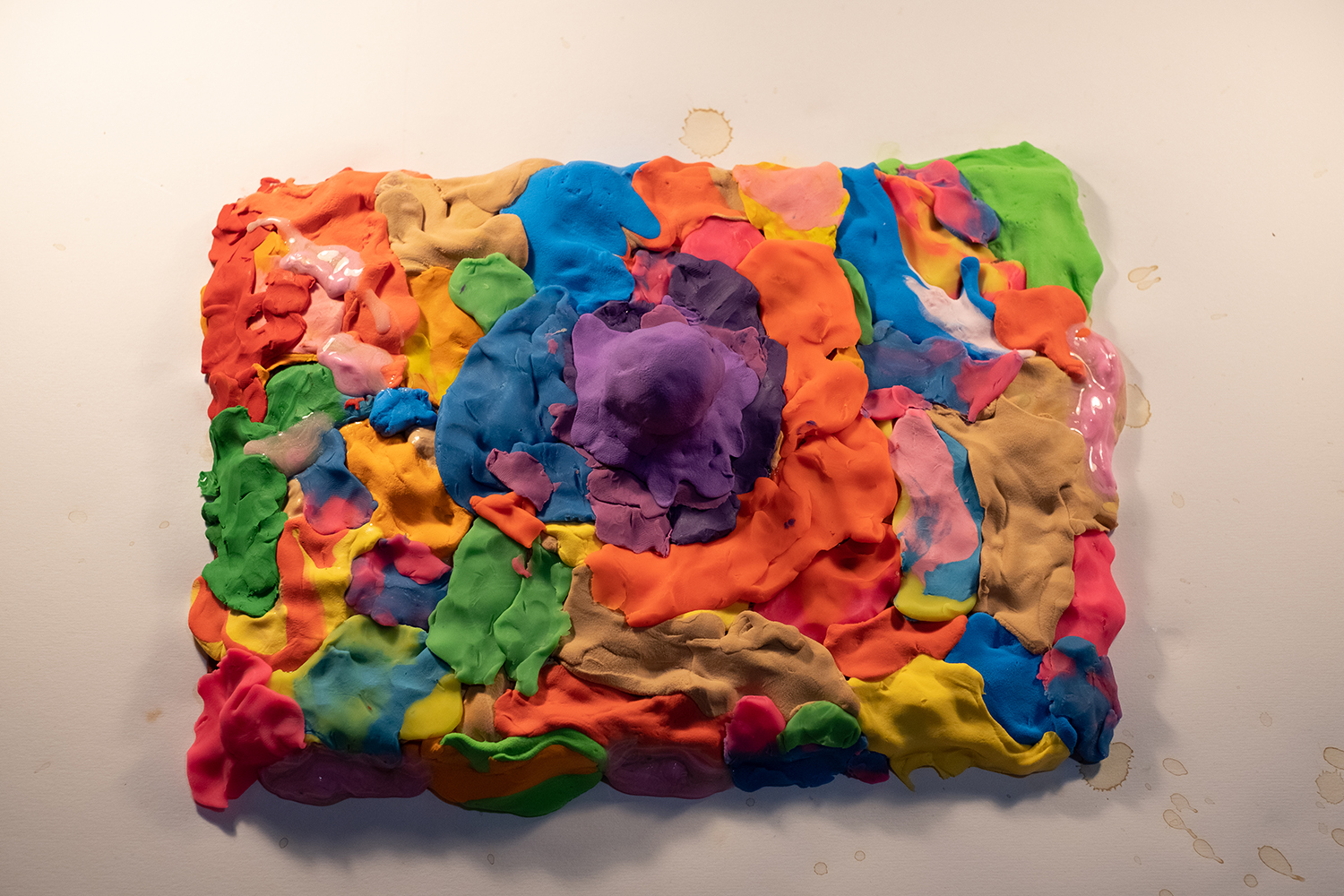
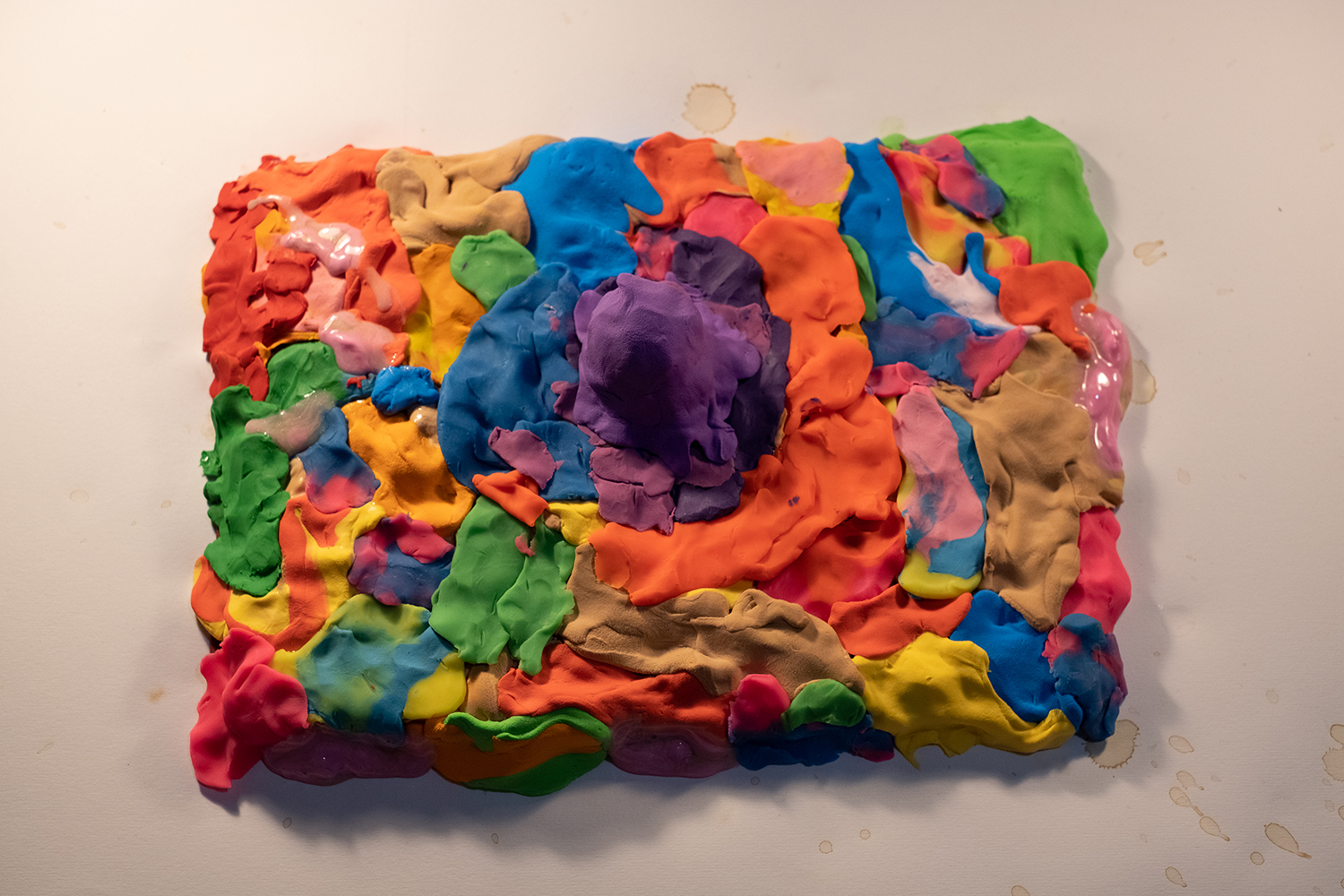
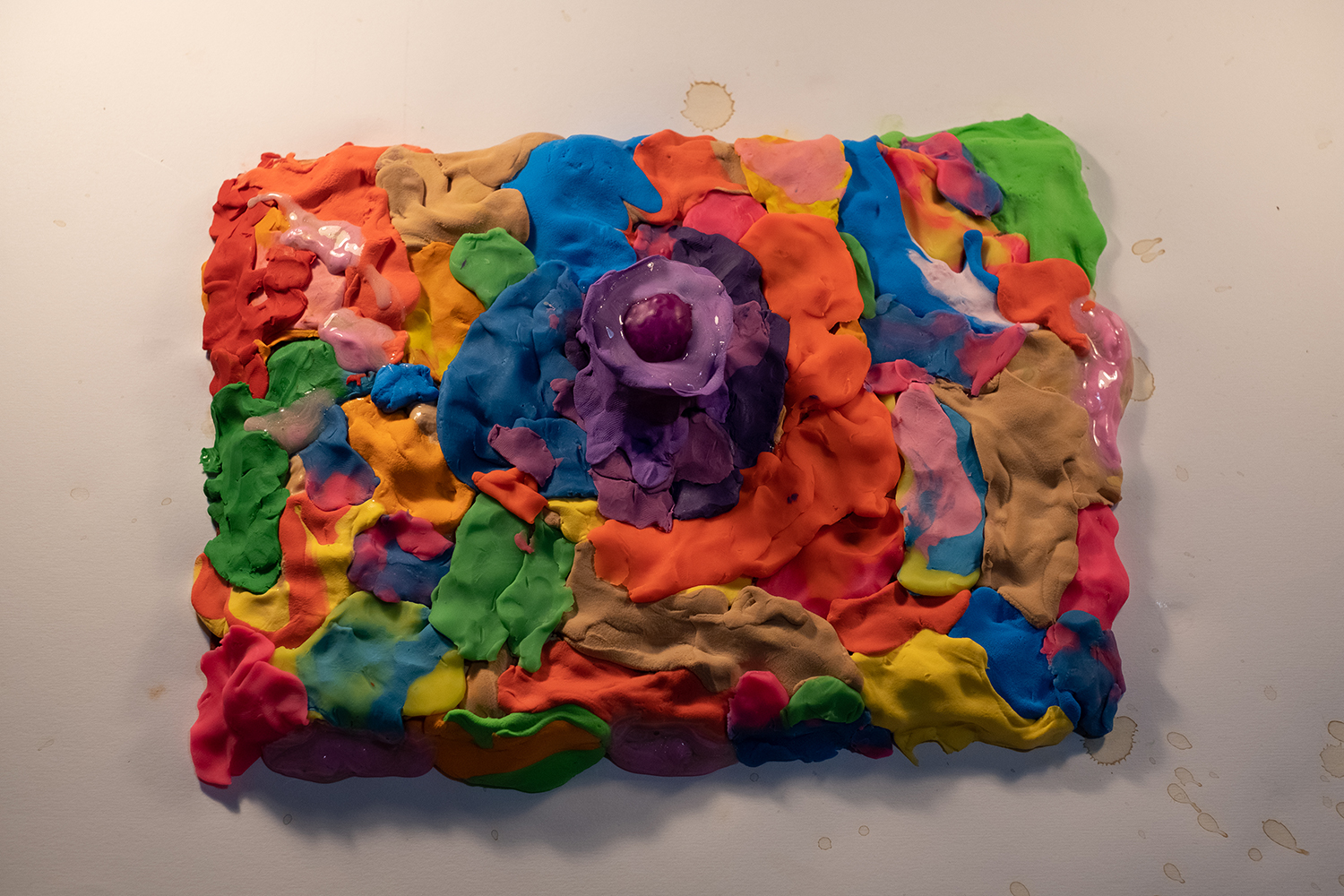
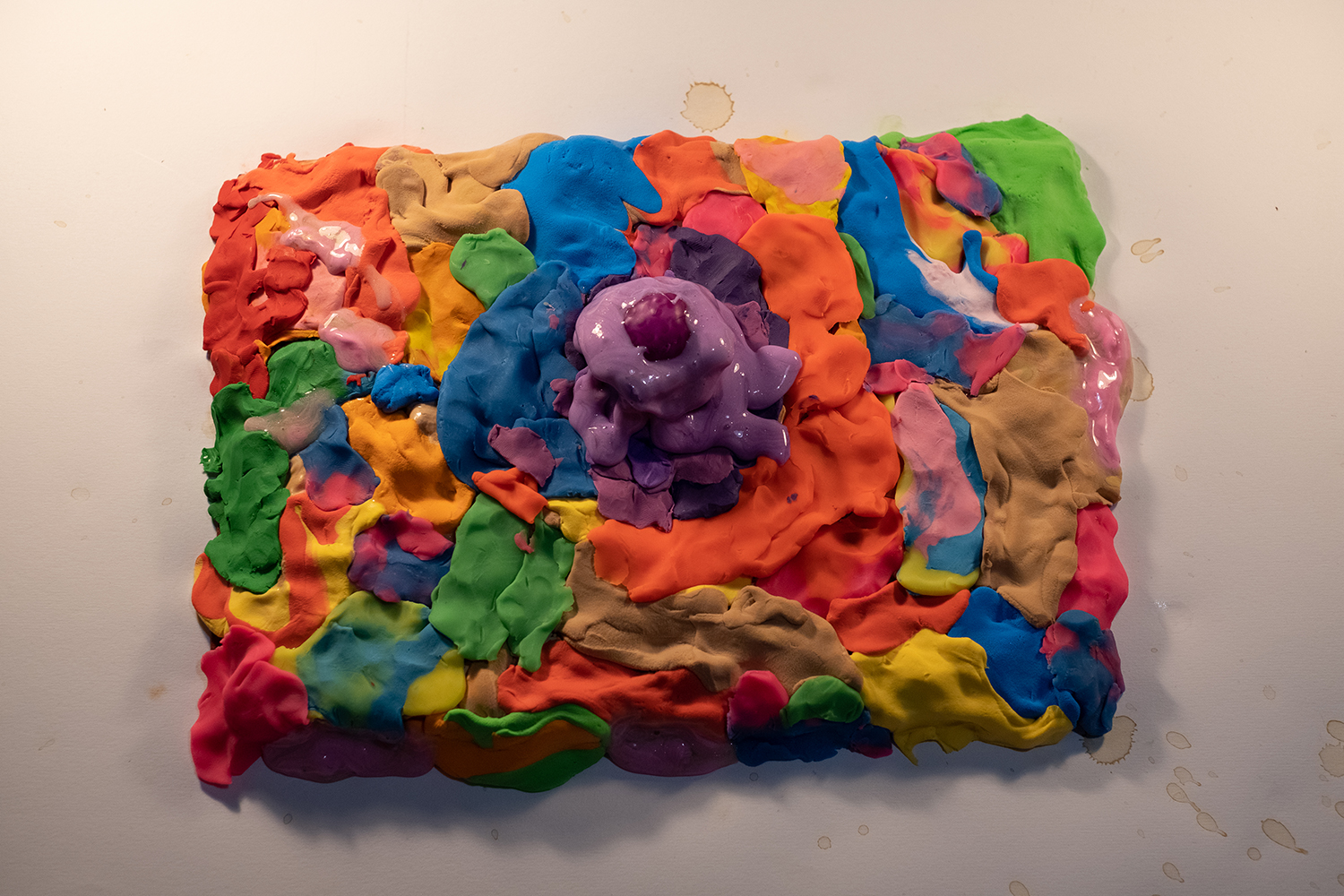
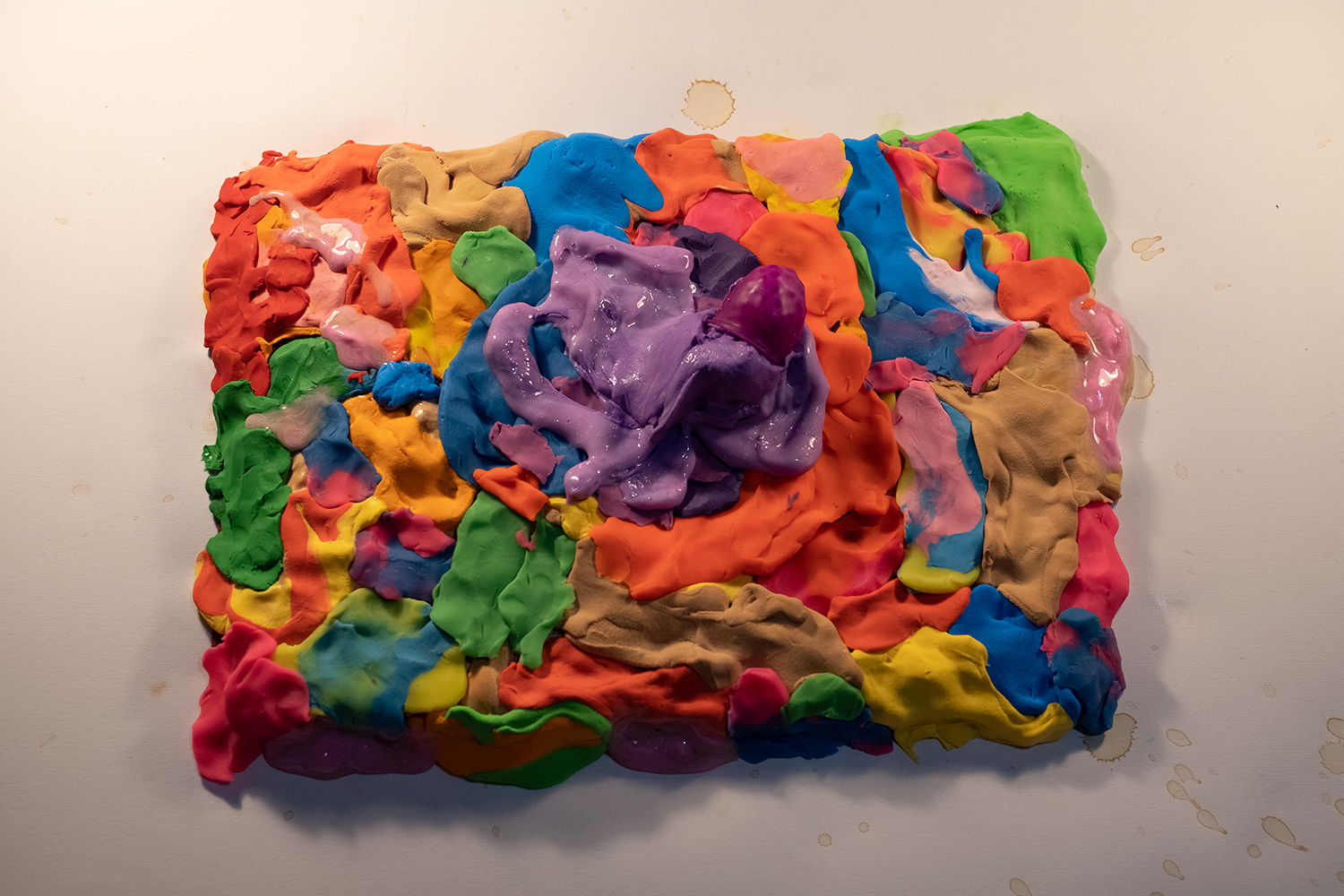
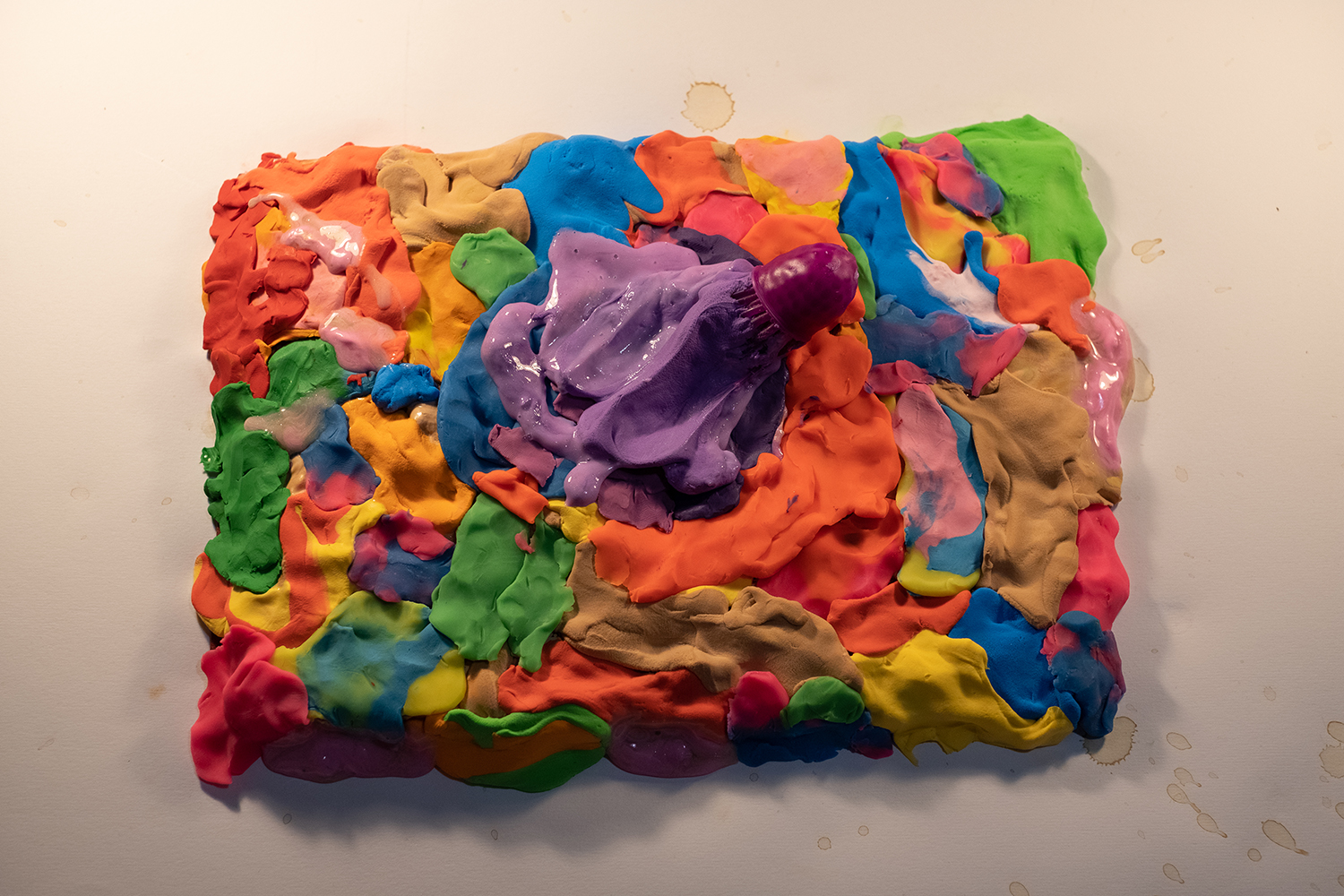
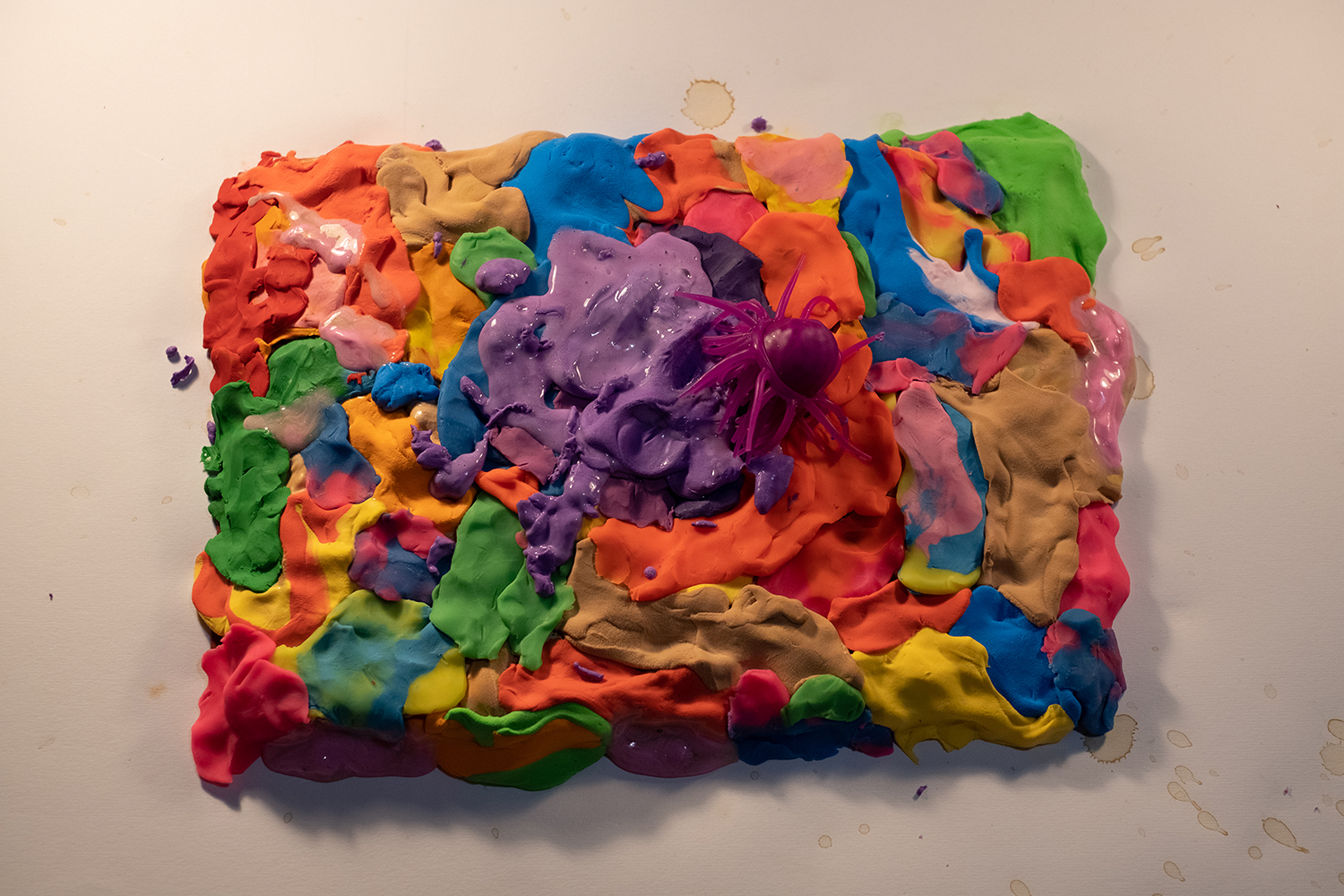
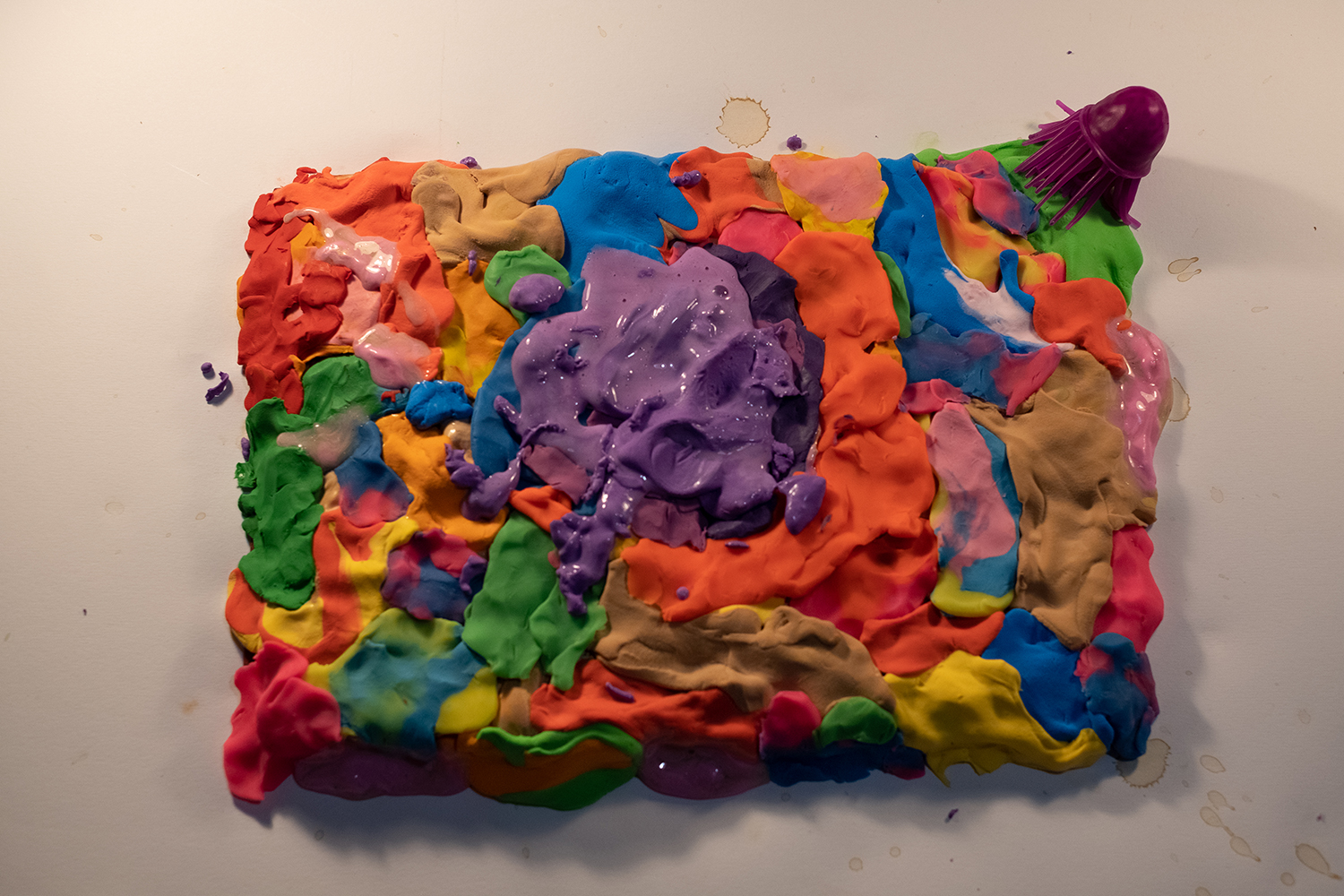
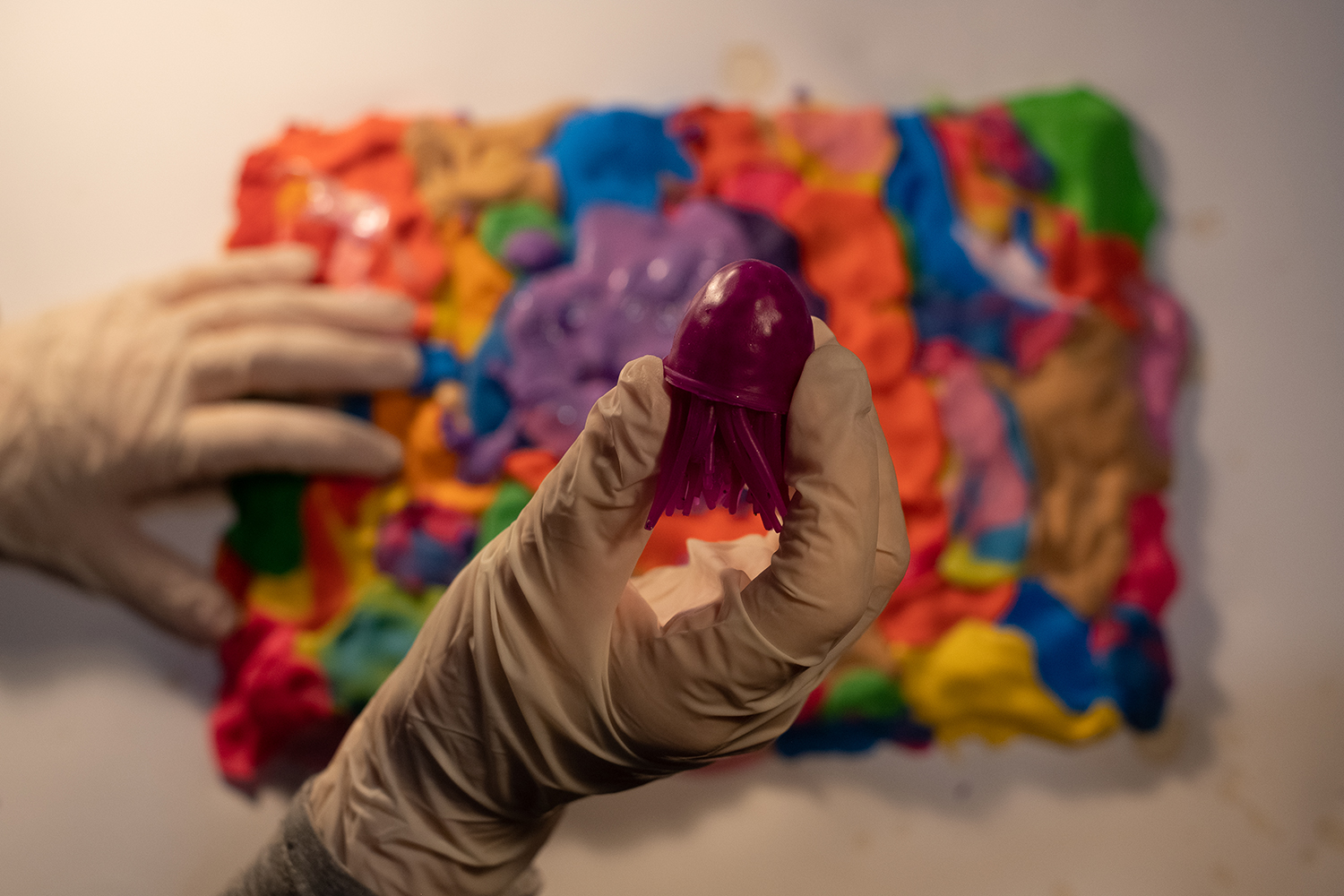
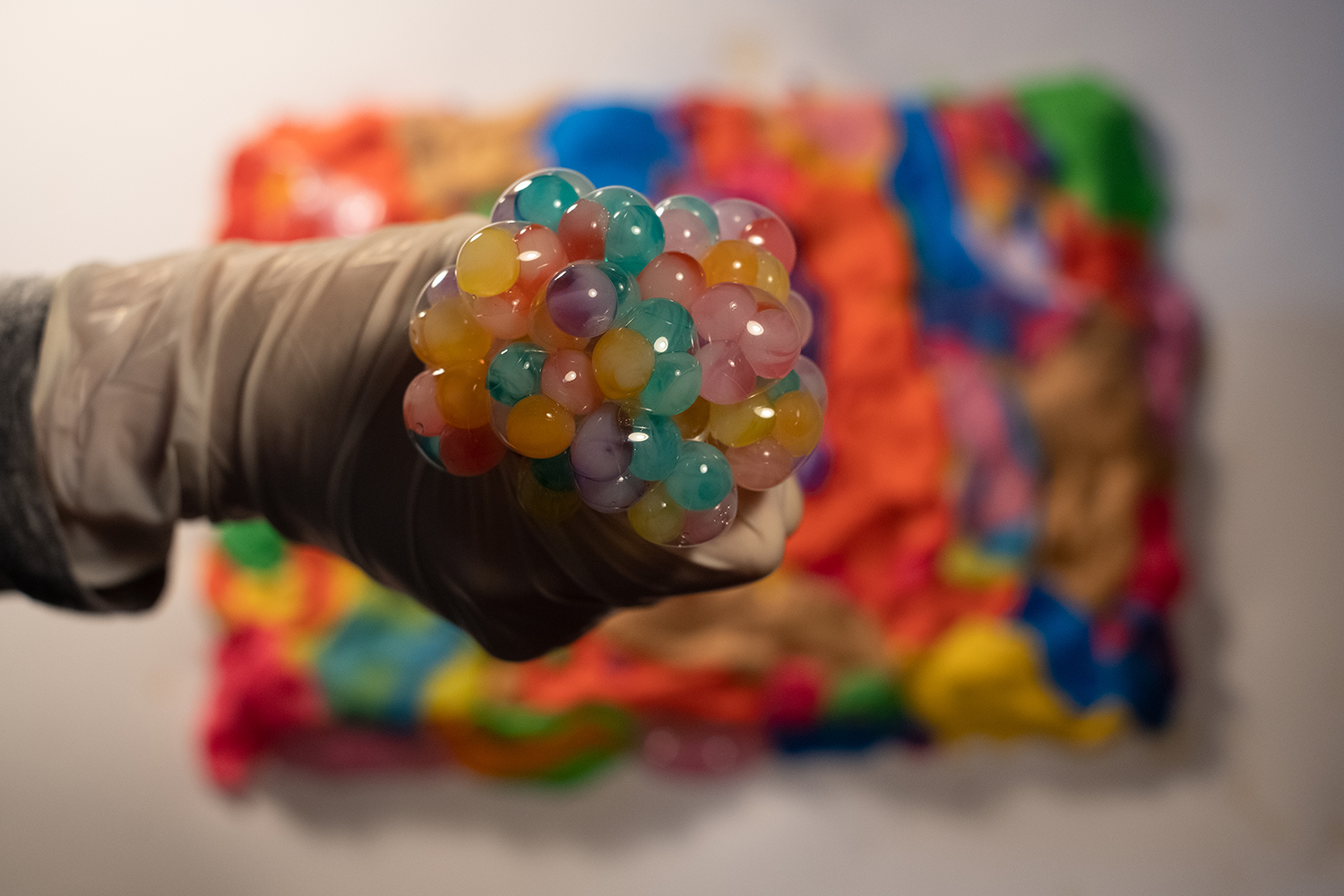
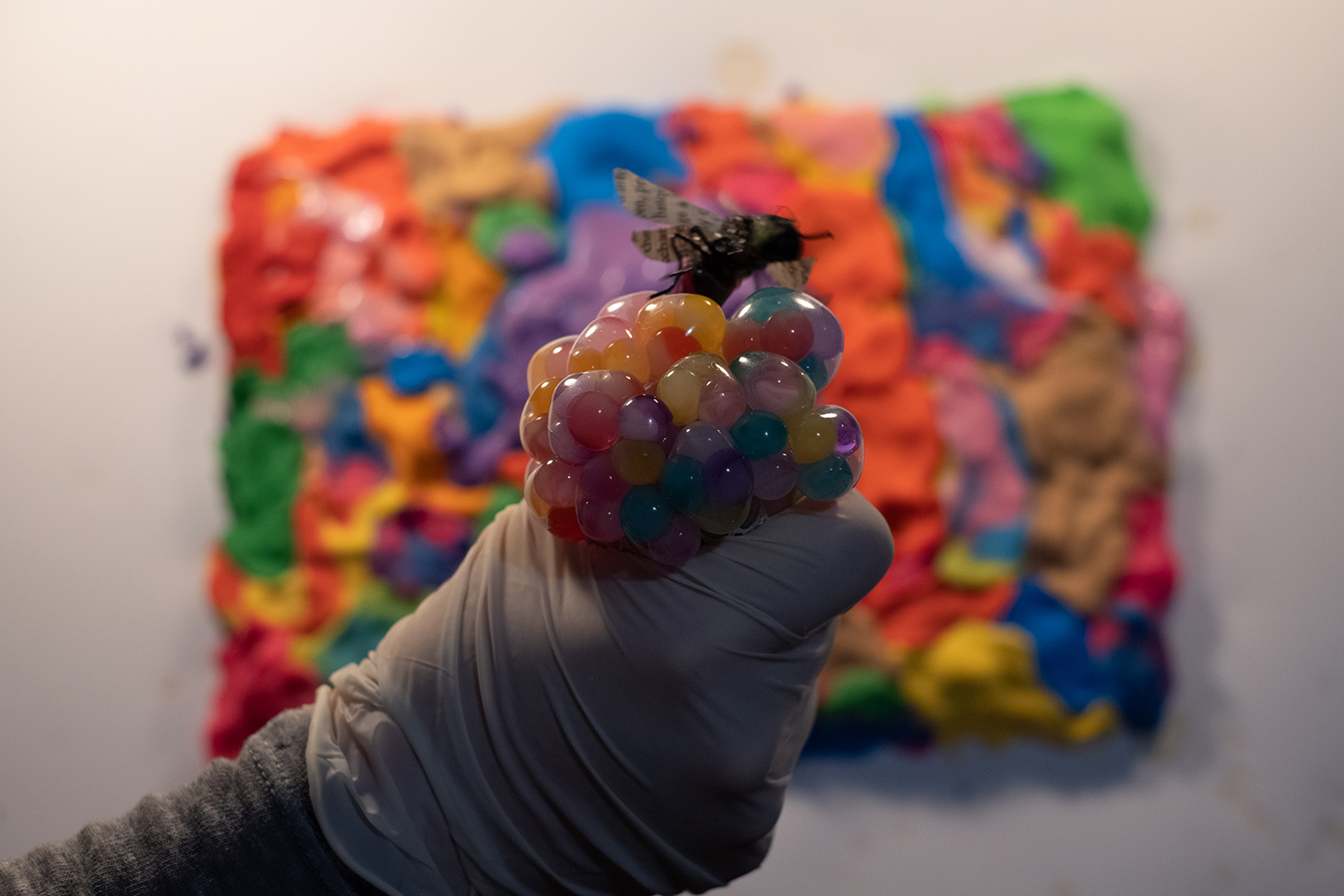
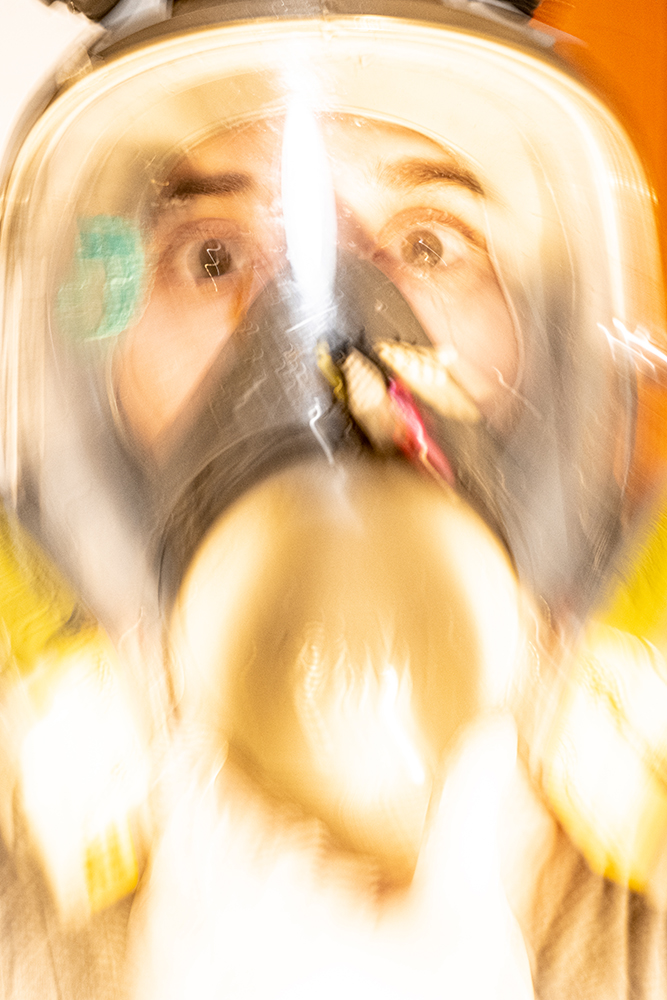
This fictional work composed of both text and images is based on the short text “Thirteenth Scenario: Chemical Industry” from the series of philosophical fictions What If? (Flusser 2022: 47-49). In his text, Vilém Flusser creates a fantastic insect that feeds on texts, the Bibliophagus convictus. Honoring the fictional endeavor of this philosopher, we seek to expand the original scenario, respecting certain data provided by the author and filling in some gaps left open. In the illustrated part, we present a series of photographs made from three-dimensional representations of the insect in its habitat. These illustrate its reproductive cycle, with the different stages of development of the organism. The literary component aims to reproduce a fictitious official and institutional communication between intelligence services in an autocratic, futuristic society with fascist characteristics.