Cybernetic Memories: Flusser’s Apparatus in the Age of Artificial Intelligence
This essay revisits Vilém Flusser’s concept of cybernetic memories to examine artificial intelligence as a terminal stage of the Apparatus, where predictive archives risk foreclosing the event of memory itself. Through dialogue with Bernard Stiegler, Jacques Derrida, Frédéric Neyrat, and Gilbert Simondon, it distinguishes memory as storage from memory as embodied impression, arguing that forgetting, abstraction, and rupture are conditions of learning and individuation. Against predictive temporality, the essay proposes prophetic survival, dialogical cybernetics, and the mechanologist as figures for preserving mental integrity, techno-intersubjectivity, and the human capacity for deep memory within AI-mediated technical systems.
ACTIVE – ARCHIVE – RESEARCH
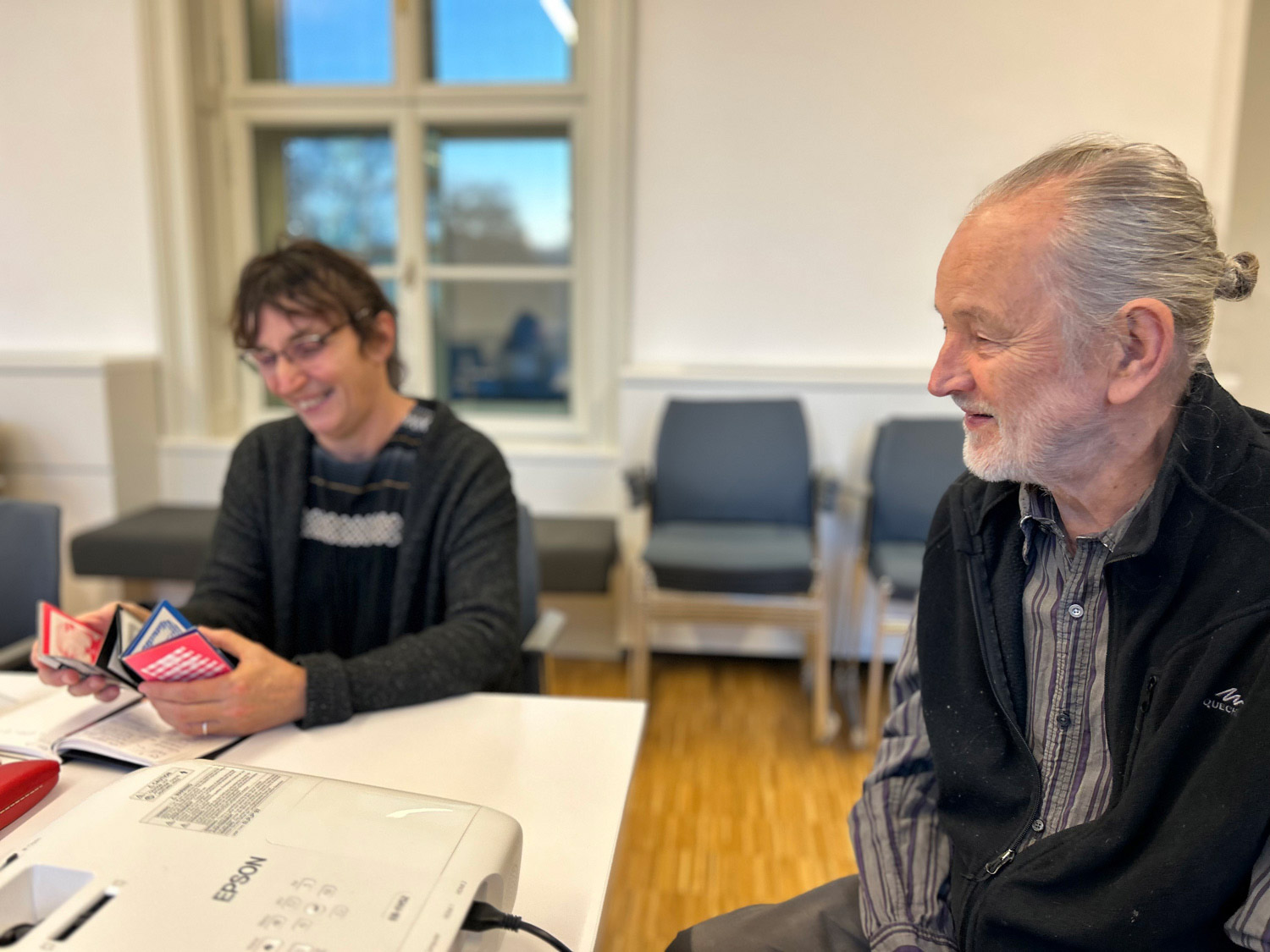
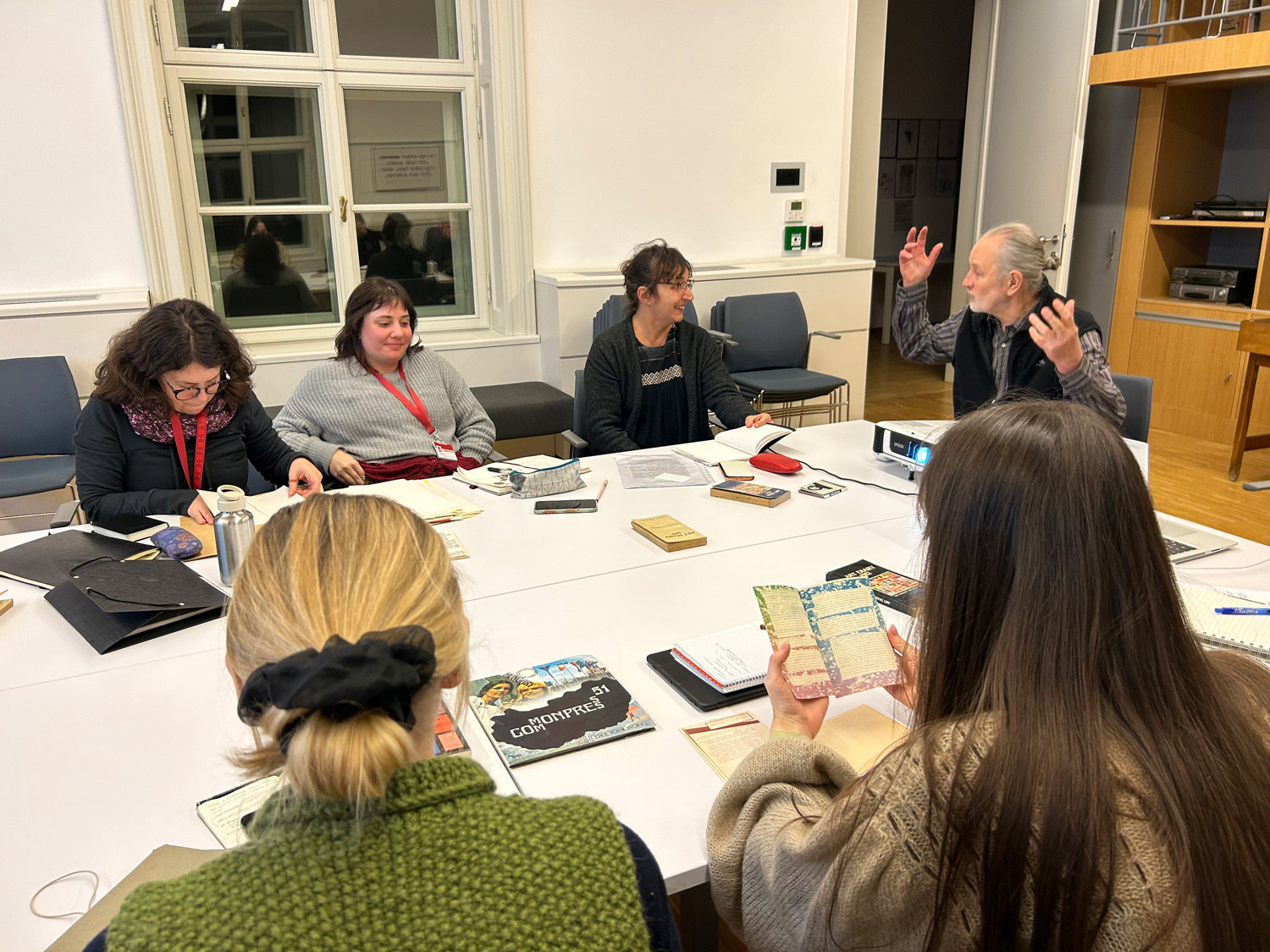
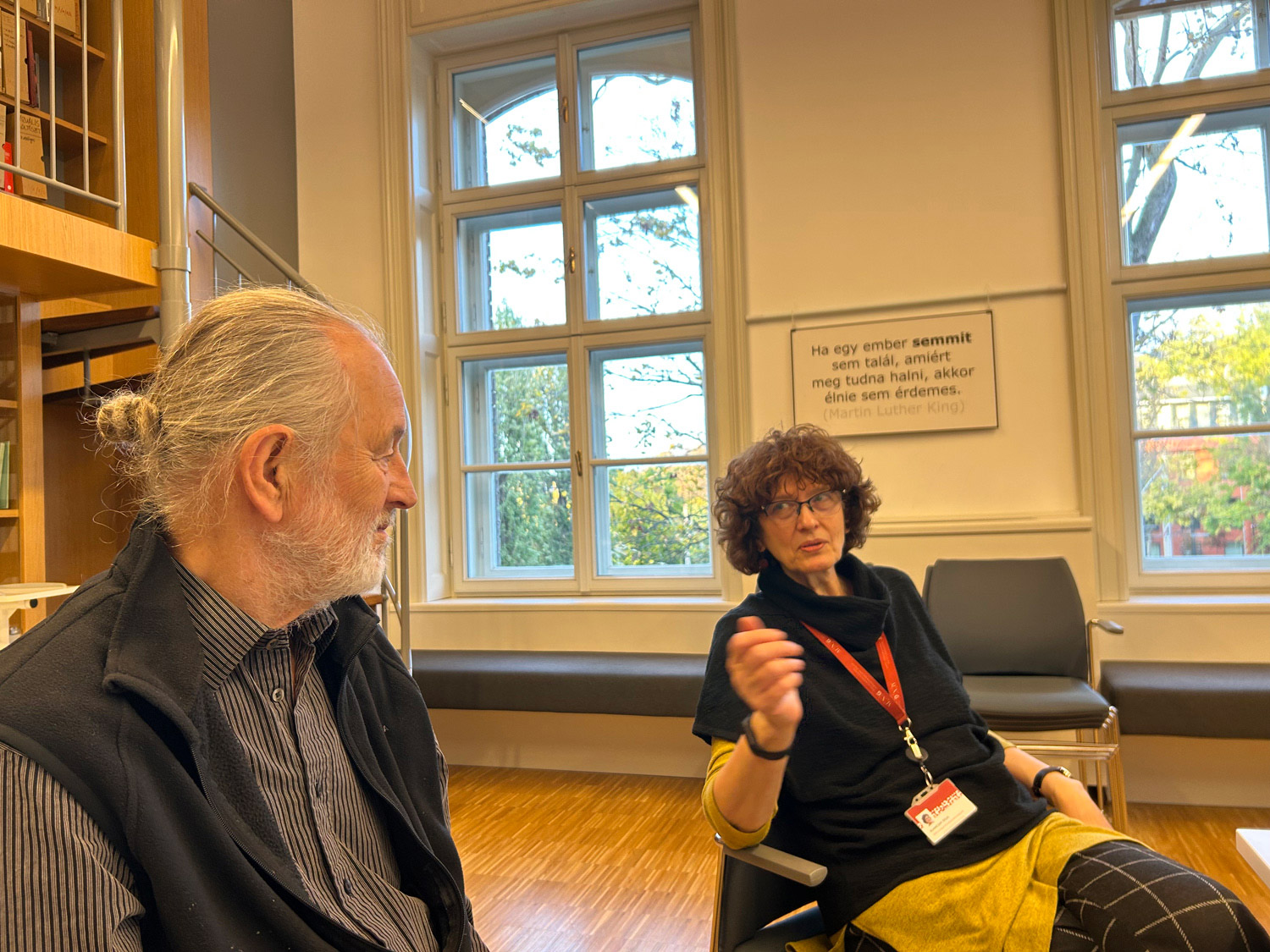
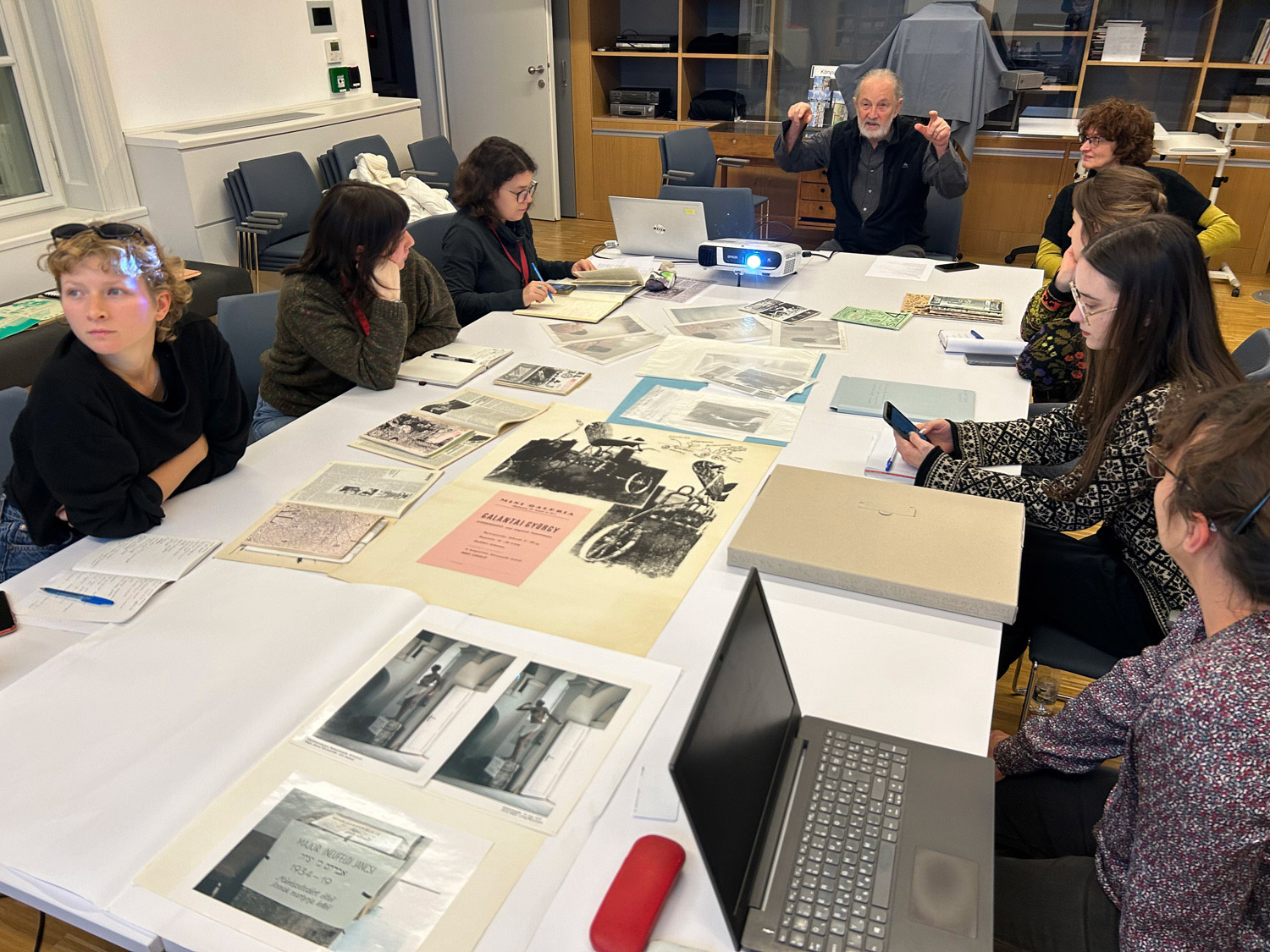
This essay aims to sum up the preliminary conceptions and the results of an archival research and research lab which was conducted and organized by the author at Artpool Art Research Center, Budapest, in the autumn of 2023, and supported by the Museum of Fine Arts with the participation of seven young researchers. Artpool – this unique artist-archive, presently art research center – also called “active – archive – research”, using Galántai’s term invented in 1979, was founded by him, his wife, and the fellow artist Júlia Klaniczay. Their personal presence in the lab’s research work, “the thought-exchange” – as Galántai understands teaching/learning – provided an opportunity to develop a new research method based on Michael Polanyi’s personal knowledge theory. The essay also highlights the possibilities of exploring parallels between Vilém Flusser’s and György Galántai’s thinking and opens up new perspectives for further research.