Climbing out of the Abyss: On Tearing Objects, Injecting Values, and Automating Work
This essay is an expanded discussion following Vilém Flusser’s unpublished essay On Being Subject to Objects in which he argued that the human is split between what is and what should be, living in the abyss between phenomena and values. By turning branches into sticks and rare minerals into data centers, the human makes a vain attempt to produce things to climb out of its abyss while increasingly becoming subject to its own cultural objects. Following a media materialist approach, the essay highlights the material dependencies of seemingly immaterial systems like artificial intelligence. The more elaborate our cultural objects become, the harder it is to trace them back to the geological conditions that made them possible, while their reliance on what the Earth can provide only deepens. Flusser identified two phases of cultural production: the first, choosing values and imagining what phenomena should become, and the second, the physical work of forcing phenomena into those values, turning them into cultural objects. His optimistic approach to automation suggested that if machines could take over the second phase, humans might finally attend to the first. Today, automation is far from what Flusser believed it would be. Rather than separating value-oriented thinking from mechanical execution, automation has made the second phase less visible but more pervasive, distributed across underpaid labor, energy grids, and extraction sites, deepening our entanglement with natural resources and pushing us further into the abyss we desperately try to climb out of.
Flusser et l'IA générative
This article is about how the emergence of generative IA, shaping both text and image, can be seen through the eye of Vilém Flusser. This article follows mainly the essay « Towards a Philosophy of Photography ». It questions how images are made by these algorithms and what their purpose is. The article goes through what is generative AI, the ambiguity of the black box models, how designers work with them. It focuses also on real model information to corroborate within what’s told in the article.
Meta-Acervos and New Interpretations Emerging from Error
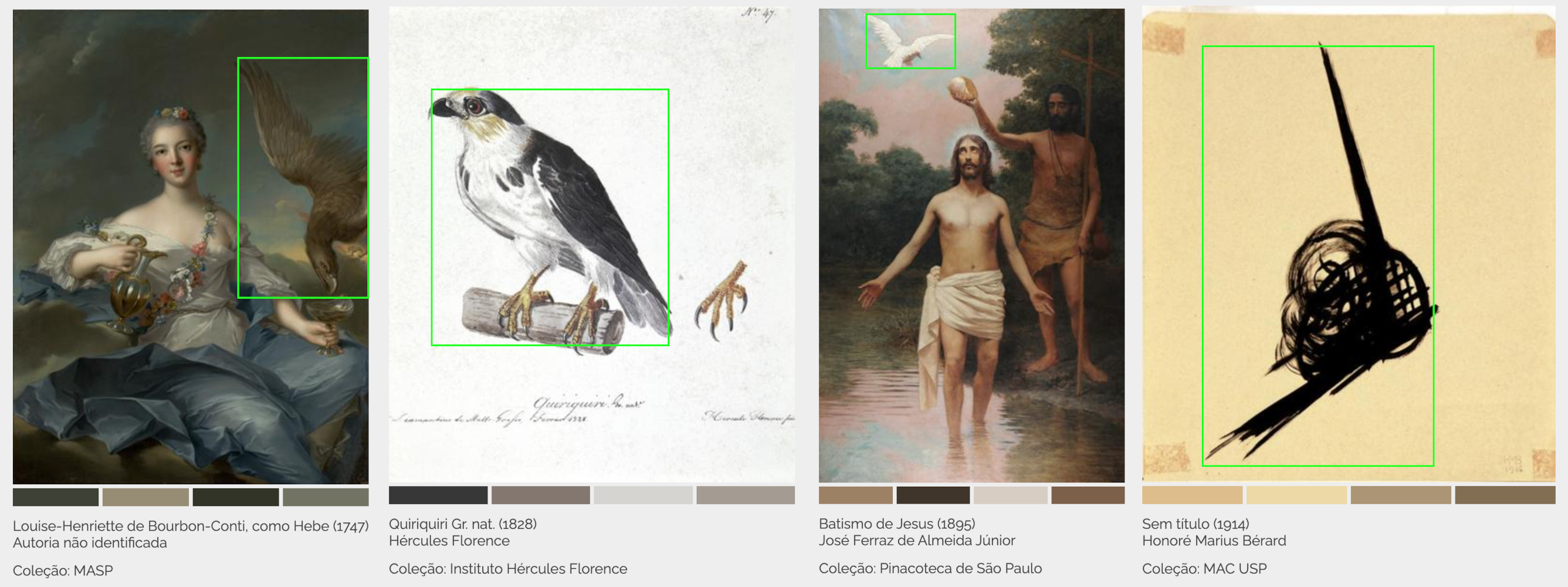
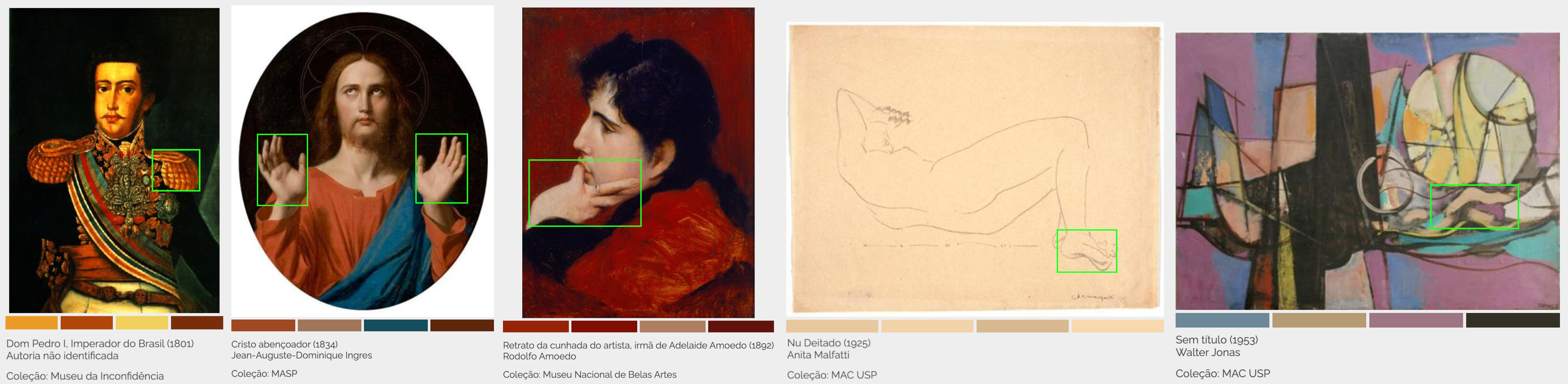
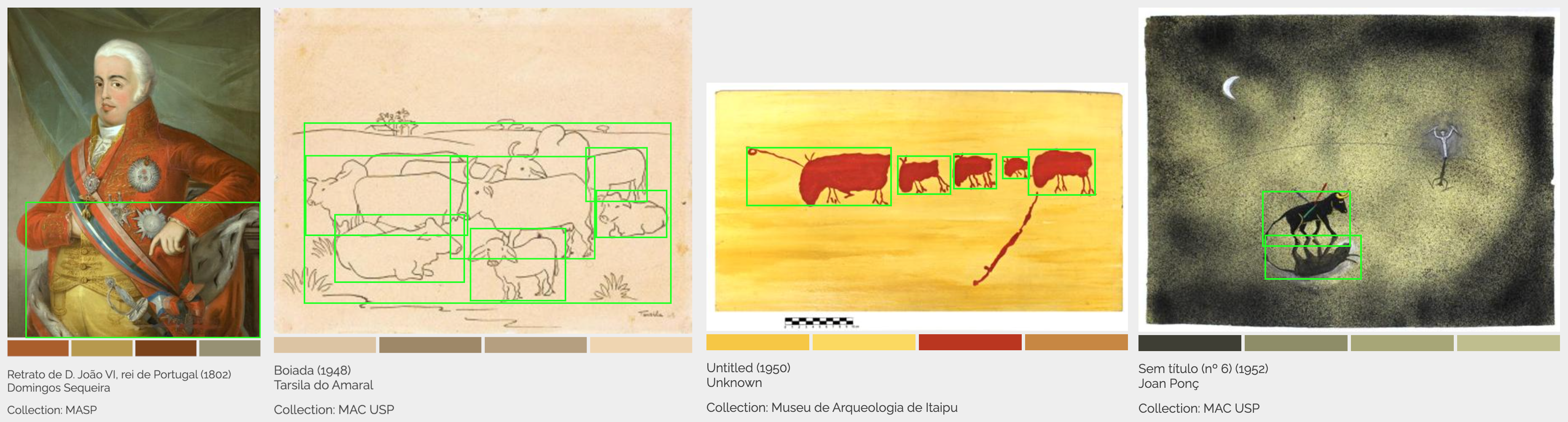
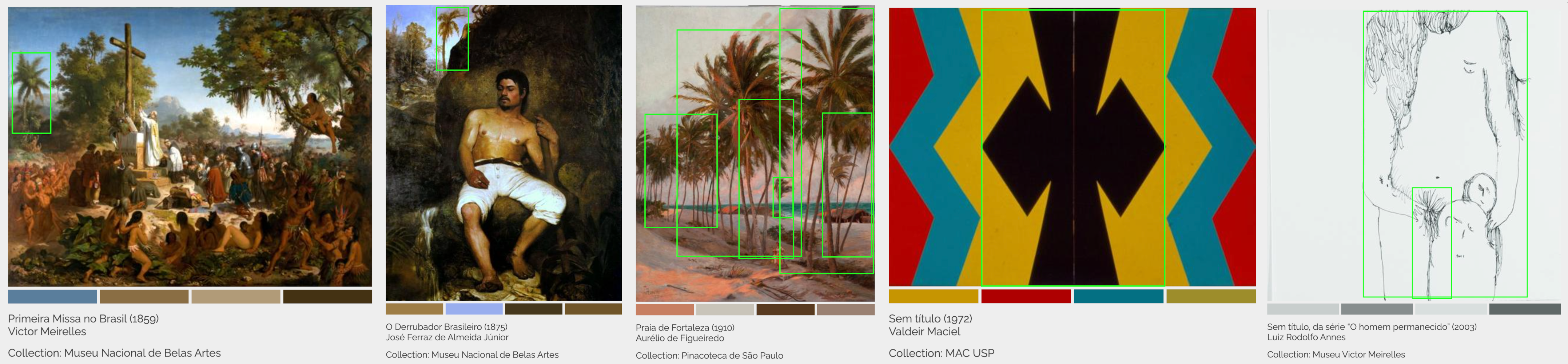
This visual essay examines the application of image classification and object detection algorithms to collections of drawings and paintings from Brazilian museums using Meta-Acervos, a platform that employs artificial intelligence models to analyze, organize and visualize artworks according to institutional, technical, chronological and visual descriptors. Rather than emphasizing the system’s accuracy, the essay focuses on its errors and on the potential for new readings afforded by ambiguity and interpretations not predicted by the program. We argue that this act of playing with errors and information not predicted within the logic of artificial intelligence models points to broader questions of agency and human intention in a world increasingly structured by apparatuses.
Robots. A Speculative Compendium
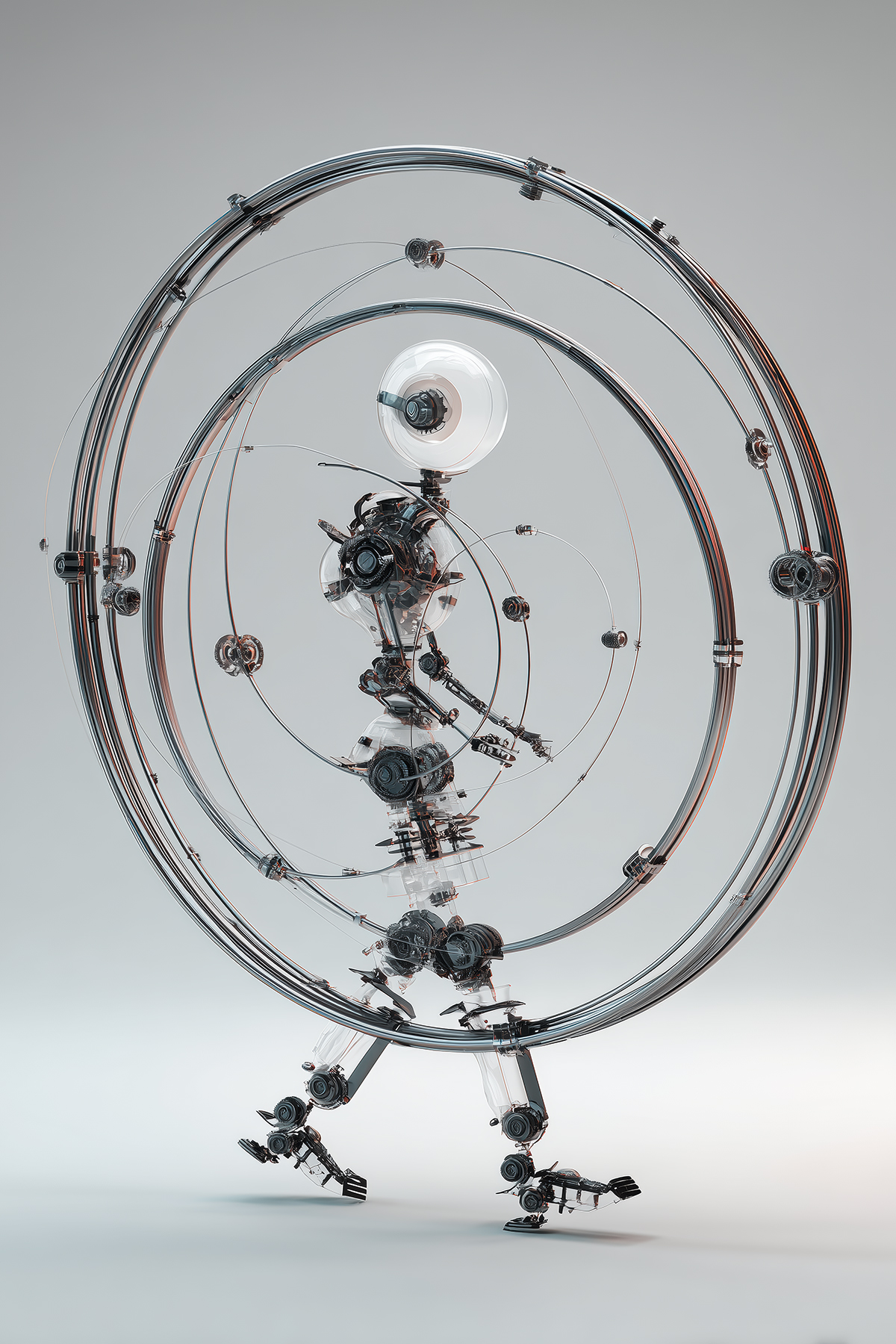
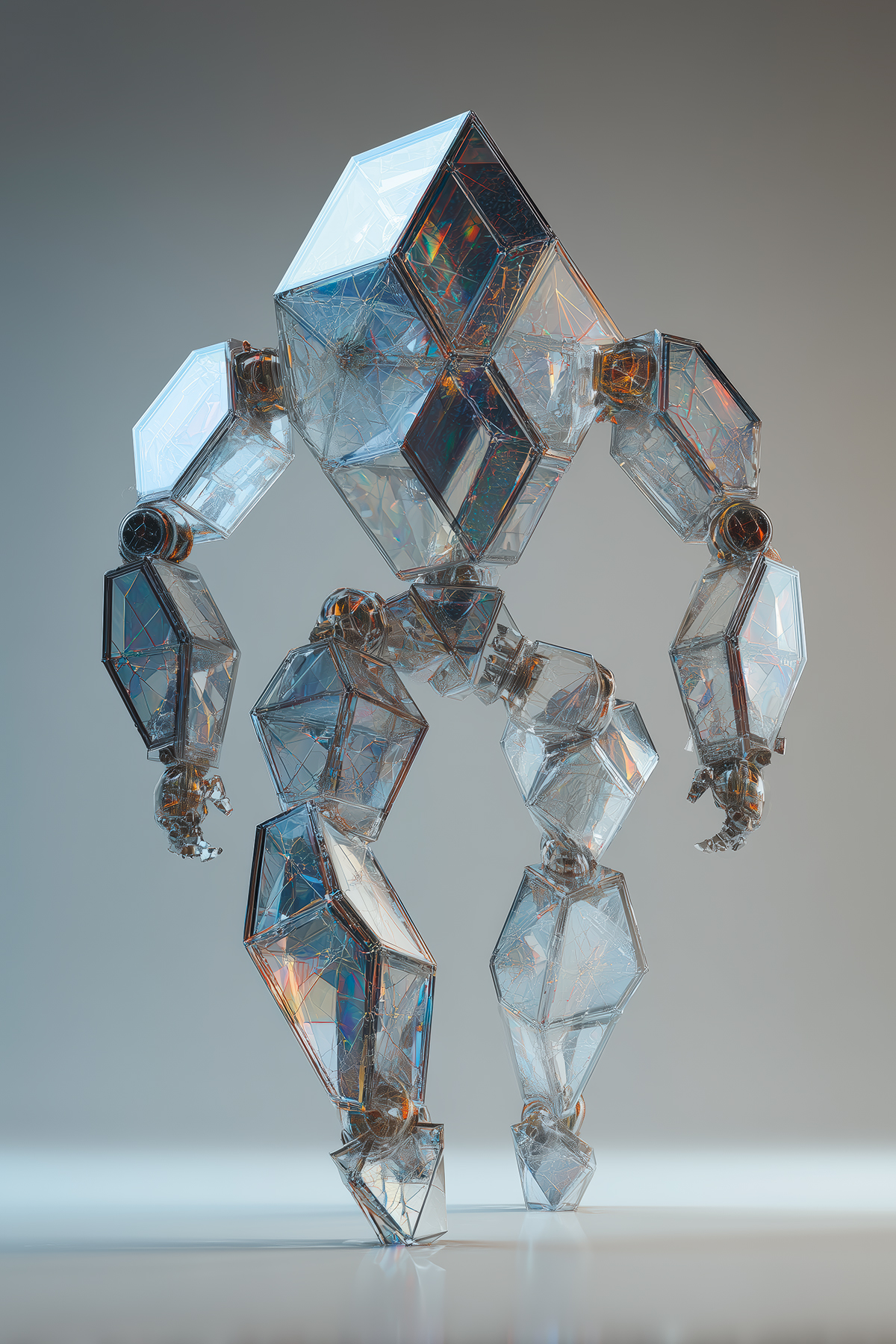
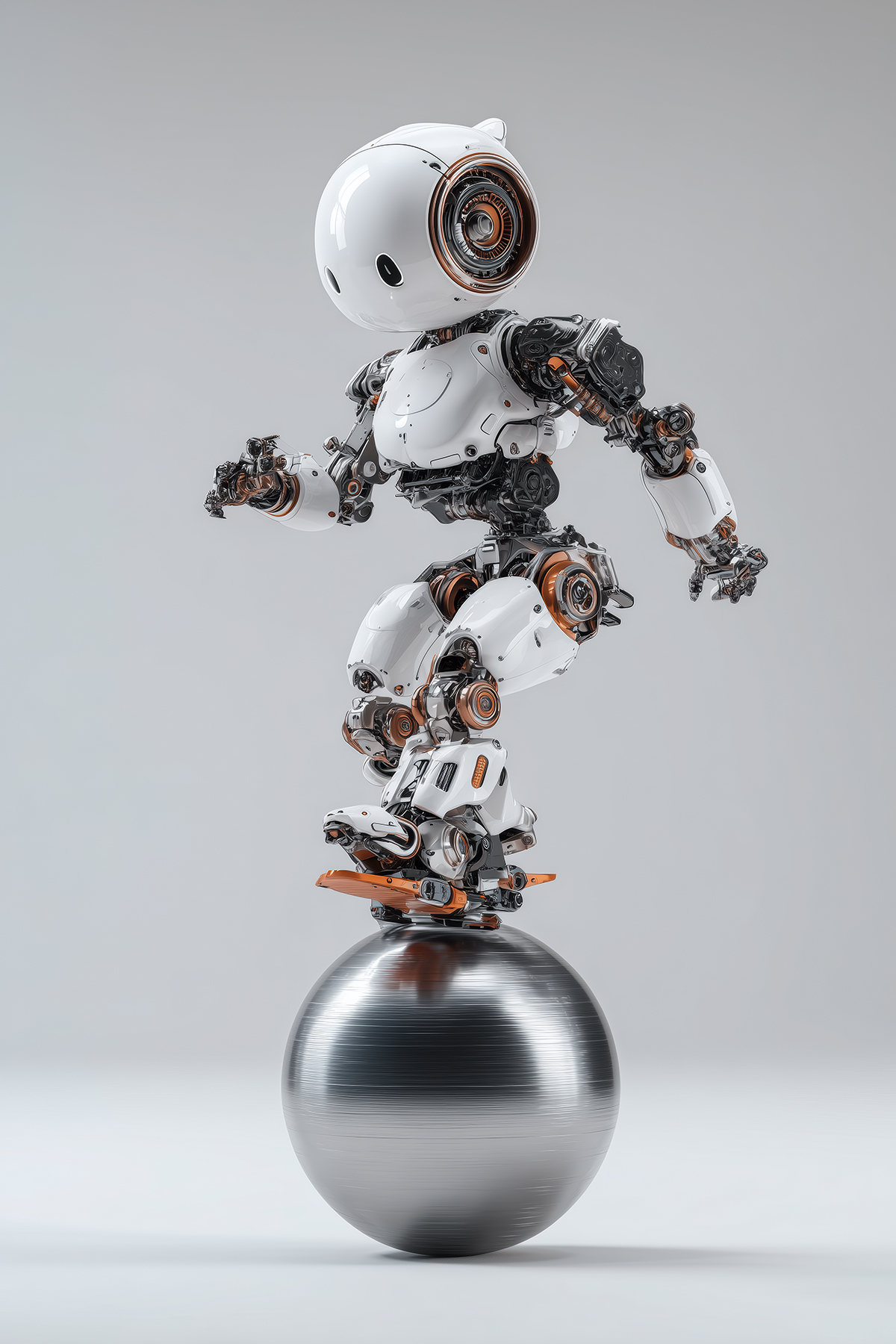
Andreas Müller-Pohle’s Robots. A Speculative Compendium, of which Flusser Studies publishes an extract and three separate pictures, contains an introduction, an afterword and altogether fifty-five images each preceded by the name of a bot and a short explanatory text as to its functions and abilities. The sequence is alphabetical leading from the Anatombot to the Xraybot. Most of the bots look human or human-like, insofar as they have arms, legs and a head. Beside the Gastrobot, a waiter, there are also the paired system of the Couplebot, the cello-playing Stringbot, as well as a dandy, (Hubbybot) and a nurse (Medbot). Some have a recognizable human face like the Musebot, an embodied contemplative figure, and the Mimicbot, a humanoid robot that replicates postures and gestures. The Phantombot is a “semi-transparent humanoid robot capable of penetrating solid barriers through phase shifting.” Some bots reminded me of science fiction movies like the cyborg-warriors Warbot and Riotbot from Robocop, the Neptunebot from Alien or the Rocketbot from Ironman. Some bots are based on single parts of the human body like the Graspbot an “orbital manipulator” that looks like a gigantic flying hand (from the review published at the end of this issue of Flusser Studies).
‘La caméra photographique est une intelligence artificielle’ Occurrence of the Notion of ‘Artificial Intelligence’ in Vilém Flusser’s writings
This essay is simply a compilation of the occurrences of the words “artificial intelligence” in all languages in Flusser’s writings. For lack of access to a global database, it is not exhaustive. It includes all occurrences in the French languages, and occurrences in other Flusser’s works that could be analyzed online in Portuguese, English and German. Flusser has used these words between 1982 and his death, in a variety of contexts, and with different meanings. Clearly, they have little to do with the meaning of AI today. While it is difficult to define a pattern of use of these words in his work, some of the quotations are noteworthy.
Parution en français de Mutations dans les Relations Humaines? De la Communicologie
The forthcoming publication of the French typescript (written 1986) of Flusser’s book Communicology constitutes an important step in the program of French publications of Flusser’s works. Until now known only in its 1996 German version as Kommunikologie. Umbruch der Menschlichen Beziehungen? (the English typescript has not yet been published), the French title reverses the order of title and subtitle: Mutations dans les Relations Humaines ? De la Communicologie.
The publisher, Marc Partouche, worked with Flusser and Louis Bec on several projects in the 80s, among them the exhibition Le vivant et l’artificiel in Avignon in 1984. While Flusser was alive, Partouche published a few of Flusser’s essays in various journals and Flusser gave him several French typescripts, asking him to prepare them for publication.
In this book, Flusser pursues and deepens his pioneering thinking on media, and artificial intelligence, reflections already present in his previous works, making it one of his most important and visionary writings.
Can We Think Computation in Images or Numbers? Critical Remarks on Vilém Flusser’s Philosophy of Digital Technologies
The article questions Flusser’s concept of the computational universe based on technical images. Emphasizing the role of the calculative, formal consciousness the article suggests a non-representational, non-hermeneutical approach to “calculating machines” as machines that allow to mechanize a certain type of thinking (mathematical thinking). At the same time, the article reformulates Flusser’s search for a new philosophy as a critical intervention into the programmed universe, arguing that this philosophy must not follow its technical logic, but find a way to reflect how different techniques and practices shape the numerical, imaginative and textual consciousness.

Da soggetti a progetti. L'abbandono dell'Humanismus in Vilém Flusser
By focusing on two of Flusser’s last writings, this essay tries to address the question of the relationship between Flusserian thought and the tradition of humanism. Moving towards a form of intersubjectivity based on dialogue and mutual responsibility, Flusser succeeded in breaking the bonds that bind the contemporary subject to modernity’s unbearable burden. He described the meaning of a contemporary becoming human in a very distinctive way. Indeed, the trajectory drawn by Flusser is not entirely superimposable on the actual vernacular of post-humanism and I believe that its deepening could open us up to more responsible ways to deal with technological development and “post-humanist technologies”.